
Lower your internet bill
61% of people overpay for their internet.
Are you one of them?
Unlock exclusive offers in your area!
Call now
[tel]Enter zip code
Which Apps Use the Most Bandwidth?
", "inLanguage": "en-US" }, { "@type": "BreadcrumbList", "@id": "https://compareinternet.com/blog/which-apps-use-the-most-internet-bandwidth/#breadcrumb", "itemListElement": [ { "@type": "ListItem", "position": "1", "item": { "@id": "https://compareinternet.com/", "name": "Home" } }, { "@type": "ListItem", "position": "2", "item": { "@id": "https://compareinternet.com/blog/", "name": "Blog" } }, { "@type": "ListItem", "position": "3", "item": { "@id": "https://compareinternet.com/blog/which-apps-use-the-most-internet-bandwidth/", "name": "Which Apps Use the Most Internet Bandwidth?" } } ] }, { "@type": "WebPage", "@id": "https://compareinternet.com/blog/which-apps-use-the-most-internet-bandwidth/#webpage", "url": "https://compareinternet.com/blog/which-apps-use-the-most-internet-bandwidth/", "name": "DISH vs Cable | Infinity DISH", "datePublished": "2024-09-24T16:23:34+00:00", "dateModified": "2026-06-22T14:52:30+00:00", "isPartOf": { "@id": "https://compareinternet.com//#website" }, "primaryImageOfPage": { "@id": "https://content.isg.us/wp-content/uploads/2024/09/AppsBandwidth1.jpg" }, "inLanguage": "en-US", "breadcrumb": { "@id": "https://compareinternet.com/blog/which-apps-use-the-most-internet-bandwidth/#breadcrumb" } }, { "@type": "Person", "@id": "https://compareinternet.com/rosslyn-elliott/", "name": "Rosslyn Elliott", "url": "https://compareinternet.com/rosslyn-elliott/", "image": { "@type": "ImageObject", "@id": "https://content.isg.us/wp-content/uploads/2023/02/Roz-Elliot.jpeg", "url": "https://content.isg.us/wp-content/uploads/2023/02/Roz-Elliot.jpeg", "caption": "Rosslyn Elliott", "inLanguage": "en-US" }, "worksFor": { "@id": "https://compareinternet.com/" } }, { "@type": "BlogPosting", "headline": "Which Apps Use the Most Internet Bandwidth?", "keywords": "apps", "datePublished": "2024-09-24T16:23:34+00:00", "dateModified": "2026-06-22T14:52:30+00:00", "articleSection": "Blog", "author": { "@id": "https://compareinternet.com/rosslyn-elliott/", "name": "Rosslyn Elliott", "url": "https://compareinternet.com/rosslyn-elliott/" }, "publisher": { "@id": "https://compareinternet.com/#organization" }, "description": "Here’s an overview of the apps that consume the most internet bandwidth, and how to keep them in check.", "name": "Which Apps Use the Most Internet Bandwidth?", "@id": "https://compareinternet.com/#richSnippet", "isPartOf": { "@id": "https://compareinternet.com/#webpage" }, "image": { "@id": "https://content.isg.us/wp-content/uploads/2024/09/AppsBandwidth1.jpg" }, "inLanguage": "en-US", "mainEntityOfPage": { "@id": "https://compareinternet.com/#webpage" } }, { "@context": "https://schema.org", "@type": "NewsArticle", "articleBody": "<p>Bandwidth matters. That’s been clear ever since <a href="https://www.compareinternet.com/blog/understanding-4k-streaming-is-ultra-hd-worth-it/" target="_blank" rel="noopener">HD streaming</a> and <a href="https://www.compareinternet.com/blog/what-is-a-good-internet-speed-for-gaming/" target="_blank" rel="noopener">multiplayer gaming</a> took the internet by storm.</p><p><a href="https://www.compareinternet.com/blog/bandwidth-vs-speed/" target="_blank" rel="noopener">Bandwidth</a> isn’t just about data caps. Many of us no longer have <a href="https://www.compareinternet.com/blog/what-are-data-caps-how-to-avoid-overage-charges/" target="_blank" rel="noopener">data caps</a> on our home internet plans, especially if we have fiber internet service.</p><p>But even without data caps, there are plenty of reasons why you need to know which apps are hogging all your bandwidth and potentially slowing down your Wi-Fi.</p><p>If you understand your data choices, you can better manage your home internet performance. You can even get more <a href="https://www.compareinternet.com/blog/what-is-green-internet/" target="_blank" rel="noopener">eco-friendly</a> with your digital footprint.</p><p>Here’s an overview of the apps that gobble up the most bandwidth, and how to keep them in check.</p><h2>Understanding Bandwidth and Data Usage</h2><p><strong>Bandwidth</strong>: The maximum rate of data transfer across a given connection. Bandwidth is usually measured in bits per second (Kbps, Mbps, Gbps) [1].</p><p><strong>Data Usage</strong>: The actual amount of data transferred, usually measured in bytes (KB, MB, GB).</p><p>An app might use high bandwidth for short periods or lower bandwidth over longer periods. Both patterns could still use plenty of data.</p><p> </p><div id="attachment_6951" style="width: 1034px" class="wp-caption alignnone"><img loading="lazy" decoding="async" aria-describedby="caption-attachment-6951" class="size-large wp-image-6951 cap_b cap_cv c_color_w" src="https://content.isg.us/wp-content/uploads/2024/09/AppsBandwidth2-1024x512.jpg" alt="streaming apps on TV screen" width="1024" height="512" srcset="https://content.isg.us/wp-content/uploads/2024/09/AppsBandwidth2-1024x512.jpg 1024w, https://content.isg.us/wp-content/uploads/2024/09/AppsBandwidth2-300x150.jpg 300w, https://content.isg.us/wp-content/uploads/2024/09/AppsBandwidth2-768x384.jpg 768w, https://content.isg.us/wp-content/uploads/2024/09/AppsBandwidth2.jpg 1200w" sizes="auto, (max-width: 1024px) 100vw, 1024px" /><p id="caption-attachment-6951" class="wp-caption-text">Streaming takes high bandwidth</p></div><h2>Streaming Services: Biggest Bandwidth Hogs</h2><h3>Video Streaming Apps</h3><p>Video streaming services are the undisputed champions of high data consumption [2]. Here’s a more detailed breakdown:</p><table class="tablestyle2"><tbody><tr><td>YouTube</td><td>Netflix</td><td>Amazon Prime Video</td><td>Disney+</td></tr><tr><td>144p: 80 MB per hour</td><td>Low quality: 0.3 GB per hour</td><td>Standard definition: 0.38 GB per hour</td><td>Standard quality: 0.6 GB per hour</td></tr><tr><td>480p: 350 MB per hour</td><td>Standard quality: 0.7 GB per hour</td><td>High definition (HD): 1.4 GB per hour</td><td>HD quality: 1.5 GB per hour</td></tr><tr><td>720p HD: 1.5 GB per hour</td><td>HD quality: 3 GB per hour</td><td>4K Ultra HD: 6.84 GB per hour</td><td>4K Ultra HD: 7.7 GB per hour</td></tr><tr><td>1080p Full HD: 3 GB per hour</td><td>Ultra HD quality: Up to 7 GB per hour</td></tr><tr><td>4K: Up to 7 GB per hour</td></tr></tbody></table><p> </p><div id="attachment_6952" style="width: 1034px" class="wp-caption alignnone"><img loading="lazy" decoding="async" aria-describedby="caption-attachment-6952" class="size-large wp-image-6952 cap_c cap_l c_color_w" src="https://content.isg.us/wp-content/uploads/2024/09/AppsBandwidth3-1024x512.jpg" alt="woman streams music through headphones" width="1024" height="512" srcset="https://content.isg.us/wp-content/uploads/2024/09/AppsBandwidth3-1024x512.jpg 1024w, https://content.isg.us/wp-content/uploads/2024/09/AppsBandwidth3-300x150.jpg 300w, https://content.isg.us/wp-content/uploads/2024/09/AppsBandwidth3-768x384.jpg 768w, https://content.isg.us/wp-content/uploads/2024/09/AppsBandwidth3.jpg 1200w" sizes="auto, (max-width: 1024px) 100vw, 1024px" /><p id="caption-attachment-6952" class="wp-caption-text">Music apps also burn through data</p></div><h3></h3><h3>Music Streaming Apps</h3><p>Music streaming can use a lot of data, even though it’s not quite as data-heavy as video streaming [3].</p><table class="tablestyle2"><tbody><tr><td>Spotify</td><td>Tidal</td><td>Apple Music</td></tr><tr><td>Normal quality: 40 MB per hour</td><td>Normal quality: 80 MB per hour</td><td>256 Kbps AAC: about 115 MB per hour</td></tr><tr><td>High quality: 70 MB per hour</td><td>HiFi quality: 325 MB per hour</td></tr><tr><td>Very high quality: 150 MB per hour</td><td>Master quality: 975 MB per hour</td></tr></tbody></table><p> </p><h2>Social Media: Subtle Data Drainers</h2><p>Social media apps can be deceptive in their data usage because small amounts of data can add up fast. Here’s a breakdown of some specific usage numbers:</p><table class="tablestyle2" style="height: 296px; width: 100%;"><tbody><tr style="height: 56px;"><td style="width: 21.1957%; height: 56px;">Snapchat</td><td style="width: 17.1196%; height: 56px;">Twitter</td><td style="width: 21.2862%; height: 56px;">Facebook</td><td style="width: 22.0109%; height: 56px;">Instagram</td><td style="width: 17.029%; height: 56px;">TikTok</td></tr><tr style="height: 80px;"><td style="width: 21.1957%; height: 80px;">Text snaps: minimal data</td><td style="width: 17.1196%; height: 80px;">Text-only: 50-100 KB per minute</td><td style="width: 21.2862%; height: 80px;">Browsing: 1.5 MB per minute</td><td style="width: 22.0109%; height: 80px;">Photo browsing: 0.5-1 MB per minute</td><td style="width: 17.029%; height: 80px;">Average usage: 840 MB per hour</td></tr><tr style="height: 80px;"><td style="width: 21.1957%; height: 80px;">Photo snaps: 1 MB per snap</td><td style="width: 17.1196%; height: 80px;">With media: 1-3 MB per minute</td><td style="width: 21.2862%; height: 80px;">With autoplay videos: 2.6 MB per minute</td><td style="width: 22.0109%; height: 80px;">With video content: 1.5-2.5 MB per minute</td></tr><tr style="height: 80px;"><td style="width: 21.1957%; height: 80px;">Video snaps: 2-3 MB per 10-second video</td></tr></tbody></table><p> </p><p> </p><div id="attachment_6953" style="width: 1034px" class="wp-caption alignnone"><img loading="lazy" decoding="async" aria-describedby="caption-attachment-6953" class="size-large wp-image-6953 cap_b cap_cv c_color_w" src="https://content.isg.us/wp-content/uploads/2024/09/AppsBandwidth4-1024x512.jpg" alt="Boy plays online gaming on laptop" width="1024" height="512" srcset="https://content.isg.us/wp-content/uploads/2024/09/AppsBandwidth4-1024x512.jpg 1024w, https://content.isg.us/wp-content/uploads/2024/09/AppsBandwidth4-300x150.jpg 300w, https://content.isg.us/wp-content/uploads/2024/09/AppsBandwidth4-768x384.jpg 768w, https://content.isg.us/wp-content/uploads/2024/09/AppsBandwidth4.jpg 1200w" sizes="auto, (max-width: 1024px) 100vw, 1024px" /><p id="caption-attachment-6953" class="wp-caption-text">Gaming downloads can be massive</p></div><h2>Online Gaming: More Than Just Playing</h2><p>While the act of gaming often uses less data than you might expect, there are other factors to consider. Here are examples of the relatively small data demands of gameplay.</p><ul><li>Fortnite: 100-250 MB per hour of gameplay</li><li>Call of Duty: Warzone: 80-300 MB per hour</li><li>League of Legends: 45 MB per hour</li><li>World of Warcraft: 40 MB per hour</li></ul><p>However, game downloads and updates can be massive:</p><ul><li>Call of Duty: Warzone: 85-175 GB initial download</li><li>Red Dead Redemption 2: 150 GB download</li><li>Fortnite: 17-35 GB download, with frequent updates of 1-3 GB</li></ul><h2>Video Calling: A New Necessity</h2><p>With the rise of remote work and virtual socializing, videoconferencing has become a significant bandwidth user [4].</p><table class="tablestyle2"><tbody><tr><td>Zoom</td><td>Microsoft Teams</td><td>Google Meet</td><td>Skype</td></tr><tr><td>1:1 call: 540 MB to 1.62 GB per hour</td><td>1:1 video call: 225 MB to 675 MB per hour</td><td>1:1 video call: 350 MB per hour</td><td>Video calls: 300 MB to 1.1 GB per hour</td></tr><tr><td>Group call: 810 MB to 2.4 GB per hour</td><td>Group video call: 560 MB to 1.6 GB per hour</td><td>Group video call: Up to 2.2 GB per hour</td></tr></tbody></table><p> </p><h2>Cloud Storage and Backup Apps: Background Bandwidth</h2><p>These backup apps can save you if you have a hard drive crash [5]. But they can use significant bandwidth, especially during initial setup or after adding large files:</p><ul><li>Google Drive: Can use 50-200 MB per day for active users</li><li>Dropbox: Initial upload can use several GB, then 1-50 MB per day for syncing</li><li>iCloud: Usage varies widely, but can easily reach 1-5 GB per month for photo backup</li></ul><p> </p><div id="attachment_6954" style="width: 1034px" class="wp-caption alignnone"><img loading="lazy" decoding="async" aria-describedby="caption-attachment-6954" class="size-large wp-image-6954 cap_c cap_cv c_color_w" src="https://content.isg.us/wp-content/uploads/2024/09/AppsBandwidth5-1024x512.jpg" alt="Hard drive lying on table" width="1024" height="512" srcset="https://content.isg.us/wp-content/uploads/2024/09/AppsBandwidth5-1024x512.jpg 1024w, https://content.isg.us/wp-content/uploads/2024/09/AppsBandwidth5-300x150.jpg 300w, https://content.isg.us/wp-content/uploads/2024/09/AppsBandwidth5-768x384.jpg 768w, https://content.isg.us/wp-content/uploads/2024/09/AppsBandwidth5.jpg 1200w" sizes="auto, (max-width: 1024px) 100vw, 1024px" /><p id="caption-attachment-6954" class="wp-caption-text">Cloud backup can save your data</p></div><h2>Messaging Apps: Not Just Text Anymore</h2><p>Modern messaging apps include features that can increase data usage:</p><table class="tablestyle2"><tbody><tr><td>WhatsApp</td><td>iMessage</td></tr><tr><td>Text only: 0.5 MB per hour</td><td>Text only: minimal data</td></tr><tr><td>Voice calls: 0.5 MB per minute</td><td>With photos/videos: varies widely, can be several MB per message</td></tr><tr><td>Video calls: 5 MB per minute</td></tr></tbody></table><p> </p><h2>Web Browsers: Universal Portals</h2><p>Web browsing can vary widely in data usage:</p><ul><li>Light browsing (text-based sites): 10-50 MB per hour</li><li>Media-heavy browsing: 50-200 MB per hour</li></ul><h2>How to Monitor and Manage Your App Bandwidth Usage</h2><p><strong>For Windows 10/11 Users</strong></p><ol><li>Go to Settings > Network & Internet > Data Usage</li><li>Click on “View usage per app”</li></ol><p><strong>For macOS Users</strong></p><ol><li>Open Activity Monitor</li><li>Click on the Network tab to see current network usage by app</li></ol><p><strong>For Android Users</strong></p><ol><li>Go to Settings > Network & Internet > Data Usage</li><li>You’ll see a list of apps sorted by data usage</li><li>Tap on individual apps to see foreground and background data usage</li></ol><p><strong>For iOS Users</strong></p><ol><li>Go to Settings > Cellular</li><li>Scroll down to see data usage for each app</li><li>You can toggle cellular data access for individual apps</li></ol><h2>Advanced Tips to Reduce Bandwidth Usage</h2><ol><li>Use Quality of Service (QoS) settings on your router to prioritize important traffic [6]</li><li>Implement a bandwidth monitor on your network to identify unexpected usage spikes</li><li>Use a <a href="https://www.compareinternet.com/blog/best-vpns/" target="_blank" rel="noopener">VPN</a> with built-in compression to reduce data usage (but be aware this may slow down your connection)</li><li>Consider using lite versions of apps where available (e.g., Facebook Lite, Twitter Lite)</li><li>Regularly clear app caches to prevent unnecessary data usage</li><li>Use ad-blockers to reduce bandwidth used by advertisements (but consider supporting your favorite sites in other ways)</li></ol><p> </p><div id="attachment_6955" style="width: 1034px" class="wp-caption alignnone"><img loading="lazy" decoding="async" aria-describedby="caption-attachment-6955" class="size-large wp-image-6955 cap_b cap_cv c_color_w" src="https://content.isg.us/wp-content/uploads/2024/09/AppsBandwidth6-1024x512.jpg" alt="5G wireless towers" width="1024" height="512" srcset="https://content.isg.us/wp-content/uploads/2024/09/AppsBandwidth6-1024x512.jpg 1024w, https://content.isg.us/wp-content/uploads/2024/09/AppsBandwidth6-300x150.jpg 300w, https://content.isg.us/wp-content/uploads/2024/09/AppsBandwidth6-768x384.jpg 768w, https://content.isg.us/wp-content/uploads/2024/09/AppsBandwidth6.jpg 1200w" sizes="auto, (max-width: 1024px) 100vw, 1024px" /><p id="caption-attachment-6955" class="wp-caption-text">5G wireless opens new potential</p></div><h2>The Impact of 5G on App Bandwidth Usage</h2><p>With the rollout of <a href="https://www.compareinternet.com/blog/3g-vs-4g-vs-5g/" target="_blank" rel="noopener">5G networks</a>, we’re seeing changes in how mobile apps use bandwidth. 5G fixed wireless is also improving home internet bandwidth in some rural areas that previously lacked high-speed internet.</p><p>Here are some heavy-data activities that will put more pressure on bandwidth, even on 5G networks:</p><ul><li>Higher quality streaming is becoming more common</li><li>Increased use of cloud gaming services</li><li>More data-intensive AR and VR applications</li></ul><p>5G also brings more efficient data transmission, which can offset some of the increased usage.</p><h2>The Environmental Impact of Bandwidth Usage</h2><p>It’s worth noting that high bandwidth usage doesn’t just affect your data cap or internet speed – it also has environmental implications:</p><ul><li>Data centers consume significant energy to process and store data</li><li>Increased data transmission leads to more infrastructure needs</li><li>Higher bandwidth usage generally correlates with higher energy consumption</li></ul><p>Considering this, managing your bandwidth usage can be seen as an eco-friendly action.</p><h2>Looking to the Future: Emerging Bandwidth-Intensive Technologies</h2><p>As we look ahead, several emerging technologies are poised to become major bandwidth consumers:</p><ul><li>Virtual and Augmented Reality (VR/AR) applications</li><li>8K video streaming</li><li>Internet of Things (IoT) devices</li><li><a href="https://www.compareinternet.com/blog/is-ai-dangerous-on-the-internet/" target="_blank" rel="noopener">AI</a> and machine learning applications</li></ul><p>Staying informed about these trends can help you prepare for future bandwidth needs.</p><p> </p><div id="attachment_6956" style="width: 1034px" class="wp-caption alignnone"><img loading="lazy" decoding="async" aria-describedby="caption-attachment-6956" class="size-large wp-image-6956 cap_c cap_r c_color_w" src="https://content.isg.us/wp-content/uploads/2024/09/AppsBandwidth7-1024x512.jpg" alt="robot thinks in chat balloons" width="1024" height="512" srcset="https://content.isg.us/wp-content/uploads/2024/09/AppsBandwidth7-1024x512.jpg 1024w, https://content.isg.us/wp-content/uploads/2024/09/AppsBandwidth7-300x150.jpg 300w, https://content.isg.us/wp-content/uploads/2024/09/AppsBandwidth7-768x384.jpg 768w, https://content.isg.us/wp-content/uploads/2024/09/AppsBandwidth7.jpg 1200w" sizes="auto, (max-width: 1024px) 100vw, 1024px" /><p id="caption-attachment-6956" class="wp-caption-text">AI is a heavy data consumer</p></div><h2>Keep an Eye on Your Bandwidth</h2><p>Understanding which apps use the most bandwidth is crucial in our data-driven world. By implementing smart usage strategies, you can:</p><ol><li>Optimize your internet experience</li><li>Avoid unexpected charges on limited data plans</li><li>Contribute to more efficient use of network resources</li><li>Potentially reduce your digital carbon footprint</li></ol><p>Remember, the key is not necessarily to avoid using these apps altogether, but to use them mindfully.</p><h2>Sources</h2><p>[1] <a href="https://en.wikipedia.org/wiki/Data-rate_units" target="_blank" rel="noopener">Wikipedia.org. “Data-Rate Units.”</a></p><p>[2] <a href="https://www.popsci.com/reviews/how-much-data-does-streaming-live-tv-use/" target="_blank" rel="noopener">PopSci.com. “How Much Data Does Streaming Live TV Use?”</a></p><p>[3] <a href="https://soundcharts.com/blog/how-music-streaming-works-trends" target="_blank" rel="noopener">SoundCharts.com. “How Music Streaming Works.”</a></p><p>[4] <a href="https://www.forbes.com/councils/forbesbusinesscouncil/2024/01/30/work-migration-the-rise-of-remote-working-and-you/" target="_blank" rel="noopener">Forbes.com. “The Rise of Remote Working and You.”</a></p><p>[5] <a href="https://www.fields-data-recovery.co.uk/blog/the-top-5-reasons-why-your-hard-drive-crashes" target="_blank" rel="noopener">FieldsDataRecovery.co.uk. “The Top 5 Reasons Why Your Hard Drive Crashes.”</a></p><p>[6] <a href="https://www.laptopmag.com/articles/change-your-routers-quality-of-service-qos-settings-how-to" target="_blank" rel="noopener">LaptopMag.com. “How to Change Your Router’s QoS Settings.”</a></p>", "headline": "Which Apps Use the Most Internet Bandwidth?", "articleSection": "Internet", "datePublished": "2024-09-24T16:23:34+00:00", "dateModified": "2026-06-22T14:52:30+00:00", "publisher": [{ "@type": "Organization", "name": "Compare Internet", "logo": { "@type": "ImageObject", "url": "https://www.compareinternet.com/wp-content/uploads/2023/02/Compare-Internet-white.png", "width": 1350, "height": 360 }, "alternateName": "Compare Internet" }], "author": [{ "@type": "Person", "name": "Rosslyn Elliott", "url": "https://compareinternet.com/authors/rosslyn-elliott/", "jobTitle": "Rosslyn Elliott", "image": { "@type": "ImageObject", "url": "https://content.isg.us/wp-content/uploads/2023/02/Roz-Elliot.jpeg", "height": 337, "width": 337 } }], "image": [{ "@type": "ImageObject", "url": "https://content.isg.us/wp-content/uploads/2024/09/AppsBandwidth1.jpg", "height": 1200, "width": 750 }], "description": "Which Apps Use the Most Internet Bandwidth?", "wordCount": "2656", "mainEntityOfPage": "https://compareinternet.com/blog/which-apps-use-the-most-internet-bandwidth/" } ] } Use code: KALA & receive a $50 gift card with your order!
 Are you happy with your Internet service?

About the author
Bandwidth matters. That’s been clear ever since HD streaming and multiplayer gaming took the internet by storm.
Bandwidth isn’t just about data caps. Many of us no longer have data caps on our home internet plans, especially if we have fiber internet service.
But even without data caps, there are plenty of reasons why you need to know which apps are hogging all your bandwidth and potentially slowing down your Wi-Fi.
If you understand your data choices, you can better manage your home internet performance. You can even get more eco-friendly with your digital footprint.
Here’s an overview of the apps that gobble up the most bandwidth, and how to keep them in check.
Bandwidth: The maximum rate of data transfer across a given connection. Bandwidth is usually measured in bits per second (Kbps, Mbps, Gbps) [1].
Data Usage: The actual amount of data transferred, usually measured in bytes (KB, MB, GB).
An app might use high bandwidth for short periods or lower bandwidth over longer periods. Both patterns could still use plenty of data.

Streaming takes high bandwidth
Video streaming services are the undisputed champions of high data consumption [2]. Here’s a more detailed breakdown:
| YouTube | Netflix | Amazon Prime Video | Disney+ |
| 144p: 80 MB per hour | Low quality: 0.3 GB per hour | Standard definition: 0.38 GB per hour | Standard quality: 0.6 GB per hour |
| 480p: 350 MB per hour | Standard quality: 0.7 GB per hour | High definition (HD): 1.4 GB per hour | HD quality: 1.5 GB per hour |
| 720p HD: 1.5 GB per hour | HD quality: 3 GB per hour | 4K Ultra HD: 6.84 GB per hour | 4K Ultra HD: 7.7 GB per hour |
| 1080p Full HD: 3 GB per hour | Ultra HD quality: Up to 7 GB per hour | ||
| 4K: Up to 7 GB per hour |

Music apps also burn through data
Music streaming can use a lot of data, even though it’s not quite as data-heavy as video streaming [3].
| Spotify | Tidal | Apple Music |
| Normal quality: 40 MB per hour | Normal quality: 80 MB per hour | 256 Kbps AAC: about 115 MB per hour |
| High quality: 70 MB per hour | HiFi quality: 325 MB per hour | |
| Very high quality: 150 MB per hour | Master quality: 975 MB per hour |
Social media apps can be deceptive in their data usage because small amounts of data can add up fast. Here’s a breakdown of some specific usage numbers:
| Snapchat | TikTok | |||
| Text snaps: minimal data | Text-only: 50-100 KB per minute | Browsing: 1.5 MB per minute | Photo browsing: 0.5-1 MB per minute | Average usage: 840 MB per hour |
| Photo snaps: 1 MB per snap | With media: 1-3 MB per minute | With autoplay videos: 2.6 MB per minute | With video content: 1.5-2.5 MB per minute | |
| Video snaps: 2-3 MB per 10-second video |

Gaming downloads can be massive
While the act of gaming often uses less data than you might expect, there are other factors to consider. Here are examples of the relatively small data demands of gameplay.
However, game downloads and updates can be massive:
With the rise of remote work and virtual socializing, videoconferencing has become a significant bandwidth user [4].
| Zoom | Microsoft Teams | Google Meet | Skype |
| 1:1 call: 540 MB to 1.62 GB per hour | 1:1 video call: 225 MB to 675 MB per hour | 1:1 video call: 350 MB per hour | Video calls: 300 MB to 1.1 GB per hour |
| Group call: 810 MB to 2.4 GB per hour | Group video call: 560 MB to 1.6 GB per hour | Group video call: Up to 2.2 GB per hour |
These backup apps can save you if you have a hard drive crash [5]. But they can use significant bandwidth, especially during initial setup or after adding large files:
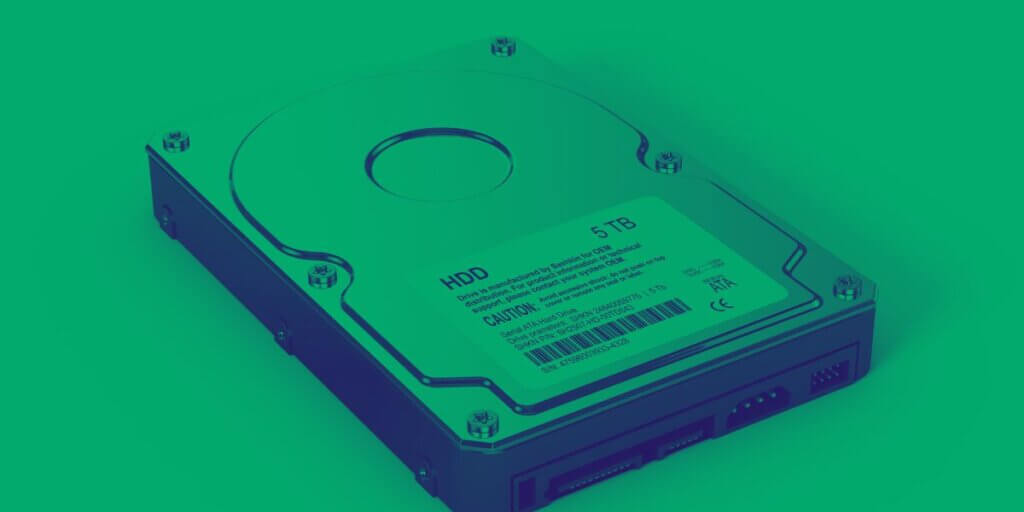
Cloud backup can save your data
Modern messaging apps include features that can increase data usage:
| iMessage | |
| Text only: 0.5 MB per hour | Text only: minimal data |
| Voice calls: 0.5 MB per minute | With photos/videos: varies widely, can be several MB per message |
| Video calls: 5 MB per minute |
Web browsing can vary widely in data usage:
For Windows 10/11 Users
For macOS Users
For Android Users
For iOS Users

5G wireless opens new potential
With the rollout of 5G networks, we’re seeing changes in how mobile apps use bandwidth. 5G fixed wireless is also improving home internet bandwidth in some rural areas that previously lacked high-speed internet.
Here are some heavy-data activities that will put more pressure on bandwidth, even on 5G networks:
5G also brings more efficient data transmission, which can offset some of the increased usage.
It’s worth noting that high bandwidth usage doesn’t just affect your data cap or internet speed – it also has environmental implications:
Considering this, managing your bandwidth usage can be seen as an eco-friendly action.
As we look ahead, several emerging technologies are poised to become major bandwidth consumers:
Staying informed about these trends can help you prepare for future bandwidth needs.

AI is a heavy data consumer
Understanding which apps use the most bandwidth is crucial in our data-driven world. By implementing smart usage strategies, you can:
Remember, the key is not necessarily to avoid using these apps altogether, but to use them mindfully.
[1] Wikipedia.org. “Data-Rate Units."
[2] PopSci.com. “How Much Data Does Streaming Live TV Use?"
[3] SoundCharts.com. “How Music Streaming Works."
[4] Forbes.com. “The Rise of Remote Working and You."
[5] FieldsDataRecovery.co.uk. “The Top 5 Reasons Why Your Hard Drive Crashes."
[6] LaptopMag.com. “How to Change Your Router’s QoS Settings."
Do you want to leave a review for AT&T Internet?
About the author

Infinity Sales Group, LLC