
Lower your internet bill
61% of people overpay for their internet.
Are you one of them?
Unlock exclusive offers in your area!
Call now
[tel]Enter zip code
World’s Fastest and Slowest Internet Speeds
", "inLanguage": "en-US" }, { "@type": "BreadcrumbList", "@id": "https://compareinternet.com/blog/worlds-fastest-slowest-internet-speeds/#breadcrumb", "itemListElement": [ { "@type": "ListItem", "position": "1", "item": { "@id": "https://compareinternet.com/", "name": "Home" } }, { "@type": "ListItem", "position": "2", "item": { "@id": "https://compareinternet.com/blog/", "name": "Blog" } }, { "@type": "ListItem", "position": "3", "item": { "@id": "https://compareinternet.com/blog/worlds-fastest-slowest-internet-speeds/", "name": "World’s Fastest Internet Speeds" } } ] }, { "@type": "WebPage", "@id": "https://compareinternet.com/blog/worlds-fastest-slowest-internet-speeds/#webpage", "url": "https://compareinternet.com/blog/worlds-fastest-slowest-internet-speeds/", "name": "DISH vs Cable | Infinity DISH", "datePublished": "2023-12-07T11:51:56+00:00", "dateModified": "2026-06-23T12:28:51+00:00", "isPartOf": { "@id": "https://compareinternet.com//#website" }, "primaryImageOfPage": { "@id": "https://content.isg.us/wp-content/uploads/2023/12/World-Speeds-1.jpg" }, "inLanguage": "en-US", "breadcrumb": { "@id": "https://compareinternet.com/blog/worlds-fastest-slowest-internet-speeds/#breadcrumb" } }, { "@type": "Person", "@id": "https://compareinternet.com/rosslyn-elliott/", "name": "Rosslyn Elliott", "url": "https://compareinternet.com/rosslyn-elliott/", "image": { "@type": "ImageObject", "@id": "https://content.isg.us/wp-content/uploads/2023/02/Roz-Elliot.jpeg", "url": "https://content.isg.us/wp-content/uploads/2023/02/Roz-Elliot.jpeg", "caption": "Rosslyn Elliott", "inLanguage": "en-US" }, "worksFor": { "@id": "https://compareinternet.com/" } }, { "@type": "BlogPosting", "headline": "World’s Fastest Internet Speeds", "keywords": "internet speeds", "datePublished": "2023-12-07T11:51:56+00:00", "dateModified": "2026-06-23T12:28:51+00:00", "articleSection": "Blog", "author": { "@id": "https://compareinternet.com/rosslyn-elliott/", "name": "Rosslyn Elliott", "url": "https://compareinternet.com/rosslyn-elliott/" }, "publisher": { "@id": "https://compareinternet.com/#organization" }, "description": "High-speed internet is transforming societies. But the world's fastest internet speeds highlight digital inequality for nations with the slowest speeds.", "name": "World’s Fastest Internet Speeds", "@id": "https://compareinternet.com/#richSnippet", "isPartOf": { "@id": "https://compareinternet.com/#webpage" }, "image": { "@id": "https://content.isg.us/wp-content/uploads/2023/12/World-Speeds-1.jpg" }, "inLanguage": "en-US", "mainEntityOfPage": { "@id": "https://compareinternet.com/#webpage" } }, { "@context": "https://schema.org", "@type": "NewsArticle", "articleBody": "<p>High-speed internet connections are transforming economies and societies around the world. But internet speeds reveal stark inequalities between regions and nations.<!--more--></p><p>Leading digital nations enjoy widespread, ultra-fast broadband. By contrast, much of the developing world has only limited, outdated infrastructure that cannot support fast connectivity.</p><p>This global digital divide has created an opportunity gap between people who can access new opportunities online and people who lack access. Closing this gap requires nations to provide affordable access to high-speed internet for all their citizens. That task represents a monumental challenge for those leaders attempting to usher in a new digital age with justice and fairness.</p><p>The Ookla site<strong> Speedtest.com</strong> issues annual rankings of the world’s average internet download speeds, nation by nation. Our analysis of this year’s list reveals much about the state of our world, because internet speeds reflect technological progress and economic strength.</p><p>[search_block]</p><h2>Countries With the Fastest Internet Speeds</h2><p><a href="https://www.compareinternet.com/blog/fastest-internet-providers/" target="_blank" rel="noopener noreferrer"><strong>The fastest internet</strong></a> in the world belongs primarily to countries in Asia and Europe. In the top 10 nations, you will also find one nation each from North America, South America, and the Middle East. The top 10 countries all boast average internet download speeds exceeding<a href="https://www.compareinternet.com/blog/is-200-mbps-fast-choosing-your-internet-speed/" target="_blank" rel="noopener noreferrer"><strong> 200 Mbps</strong></a>, thanks to early infrastructure upgrades and continuous innovation.</p><p> </p><div id="attachment_2763" style="width: 1210px" class="wp-caption alignnone"><img loading="lazy" decoding="async" aria-describedby="caption-attachment-2763" class="size-full wp-image-2763 cap_c cap_r c_color_w" src="https://content.isg.us/wp-content/uploads/2023/12/World-Speeds-2.jpg" alt="singapore has the fastest median download internet speeds in the world" width="1200" height="499" srcset="https://content.isg.us/wp-content/uploads/2023/12/World-Speeds-2.jpg 1200w, https://content.isg.us/wp-content/uploads/2023/12/World-Speeds-2-300x125.jpg 300w, https://content.isg.us/wp-content/uploads/2023/12/World-Speeds-2-1024x426.jpg 1024w, https://content.isg.us/wp-content/uploads/2023/12/World-Speeds-2-768x319.jpg 768w" sizes="auto, (max-width: 1200px) 100vw, 1200px" /><p id="caption-attachment-2763" class="wp-caption-text">Singapore</p></div><h2></h2><h2>Singapore and Hong Kong</h2><p>Singapore tops the list for fastest average internet speeds with an average download speed of 264 Mbps. This densely urbanized city-state has nationwide connectivity through government programs like its Next Generation Nationwide Broadband Network (NGNBN) (1).</p><p>Singapore has achieved these very high average speeds by replacing legacy copper networks with fiber-optic infrastructure. With a tech-focused government driving crucial infrastructure upgrades, Singapore has become a global leader in fixed internet speeds across households and businesses. Hong Kong comes in a close second, but is an outlier on the list as a city rather than a sovereign nation.</p><h2>Chile</h2><p>Singapore and Hong Kong have the advantage of population concentration in relatively small geographical areas, which makes it easier to supply infrastructure. But a surprise contender among nations with top internet speeds is Chile, which is much more spread out in its geographical area. Chile’s average download speed is 248 Mbps, placing it third for fastest internet speeds.</p><p>Chile is the only South American nation in the global top 20. As with many nations that seem to be outperforming their regions, Chile benefited from an early government focus on expanding internet access. In 1999, a series of government initiatives and policies caused internet usage to shoot up. Ever since, Chile has been ahead of the curve for digital advancement (2). That investment has paid off for the state and its residents by producing one of South America’s most prosperous economies (3).</p><p> </p><div id="attachment_2765" style="width: 1210px" class="wp-caption alignnone"><img loading="lazy" decoding="async" aria-describedby="caption-attachment-2765" class="size-full wp-image-2765 cap_b cap_cv c_color_w" src="https://content.isg.us/wp-content/uploads/2023/12/World-Speeds-3.jpg" alt="United Arab Emirates has the fourth fastest high-speed internet in the world in cities like Dubai shown here from Bluewaters Island" width="1200" height="522" srcset="https://content.isg.us/wp-content/uploads/2023/12/World-Speeds-3.jpg 1200w, https://content.isg.us/wp-content/uploads/2023/12/World-Speeds-3-300x131.jpg 300w, https://content.isg.us/wp-content/uploads/2023/12/World-Speeds-3-1024x445.jpg 1024w, https://content.isg.us/wp-content/uploads/2023/12/World-Speeds-3-768x334.jpg 768w" sizes="auto, (max-width: 1200px) 100vw, 1200px" /><p id="caption-attachment-2765" class="wp-caption-text">United Arab Emirates</p></div><p> </p><h2>United Arab Emirates</h2><p>The only Middle Eastern country in the top 20 is the United Arab Emirates, coming in at #4, though Kuwait is just outside at #22. Still, the average download speed in the UAE is 235 Mbps, considerably faster than Kuwait’s average at 154 Mbps.</p><h2>China and Thailand</h2><p>China and Thailand are next, as China scores an average internet speed of 230 Mbps and Thailand comes in at 218 Mbps. China’s achievement is impressive given the vast areas that the nation encompasses. However, it is important to note that a country’s average internet speed does not mean that every person in a nation has access to the internet.</p><p>For example, in China, the internet penetration rate is about 77% (4). So, in urban areas such as Beijing, almost all residents may have internet access available, while in some rural and isolated areas, no one has internet access. But overall, the fast speeds and decent market penetration are a sign of what we know already about China—this giant nation does business around the world and has the digital infrastructure to support it.</p><p> </p><div id="attachment_2766" style="width: 1210px" class="wp-caption alignnone"><img loading="lazy" decoding="async" aria-describedby="caption-attachment-2766" class="size-full wp-image-2766 cap_c cap_l c_color_w" src="https://content.isg.us/wp-content/uploads/2023/12/World-Speeds-4.jpg" alt="USA #7 for internet speed shown with a nighttime map and digital lights across the nation" width="1200" height="626" srcset="https://content.isg.us/wp-content/uploads/2023/12/World-Speeds-4.jpg 1200w, https://content.isg.us/wp-content/uploads/2023/12/World-Speeds-4-300x157.jpg 300w, https://content.isg.us/wp-content/uploads/2023/12/World-Speeds-4-1024x534.jpg 1024w, https://content.isg.us/wp-content/uploads/2023/12/World-Speeds-4-768x401.jpg 768w" sizes="auto, (max-width: 1200px) 100vw, 1200px" /><p id="caption-attachment-2766" class="wp-caption-text">USA</p></div><p> </p><h2>USA</h2><p>At #7, we’ll see another familiar superpower: the <a href="https://www.compareinternet.com/blog/fastest-internet-providers/" target="_blank" rel="noopener noreferrer"><strong>United States of America</strong></a>. With an average internet speed of 215 Mbps, the USA is known for one of the world’s leading economies.</p><p>The top five major cities with the fastest download speeds in the USA (according to Ookla SpeedTest for 3Q 2023) are <a href="https://www.compareinternet.com/nc/raleigh/" target="_blank" rel="noopener noreferrer">Raleigh, NC</a>, <a href="https://www.compareinternet.com/ca/irvine/" target="_blank" rel="noopener noreferrer">Irvine, CA</a>, <a href="https://www.compareinternet.com/nv/north-las-vegas/" target="_blank" rel="noopener noreferrer">North Las Vegas, NV</a>, <a href="https://www.compareinternet.com/tx/corpus-christi/" target="_blank" rel="noopener noreferrer">Corpus Christi, TX</a>, and <a href="https://www.compareinternet.com/nv/henderson/" target="_blank" rel="noopener noreferrer">Henderson, NV</a>.</p><p>If you wonder why the average speed in the USA is lower than that of China, the main reason is the difference between a planned Chinese economy controlled by the government and an American economy controlled by private industry. In China, the government owns and installs all internet infrastructure, which makes for a more orderly and unified system.</p><p>In the USA, development happens as a partnership between private companies and the government, which often offers support funding. Because private companies make their decisions based on future profit, infrastructure development is more haphazard, and different technologies dominate different areas. Still, an average above 200 Mbps is very respectable given the size and area of the United States.</p><h2>Denmark and Other European Nations</h2><p>Rounding out the top 10 and dominating all the way through #15 are eight countries from Europe. Denmark, Iceland, and France take top average speeds with 206, 204, and 200 Mbps, respectively. Then come Romania, Spain, Monaco, Switzerland, and the Netherlands, with average download speeds ranging from 190 to 171 Mbps.</p><h2>Japan, Canada, New Zealand, Macau, Taiwan</h2><p>Japan, Canada, New Zealand, Macau, and Taiwan also squeak into the top 20 countries with speeds above 157 Mbps. What do all the top 20 nations have in common? All are known for reasonably strong economies and fairly peaceful political climates. That peace and a focus on industry and technology has allowed them to lay the groundwork for future success by building internet infrastructure.</p><p>For leading digital nations, internet connectivity has become essential infrastructure powering economic growth and improvements in healthcare, education, energy efficiency and more. With widespread access to broadband, these countries race ahead in developing emerging technologies like autonomous vehicles, AI, smart cities and digital manufacturing.<a href="https://www.compareinternet.com/blog/bandwidth-vs-speed/" target="_blank" rel="noopener noreferrer"><strong> Ultra-fast speeds</strong></a> fuel innovation and drive prosperity.</p><h2>Countries With the Slowest Internet Speeds: The Cost of Disconnection</h2><p>The world’s poorest regions remain far removed from broadband’s benefits. Africa and the Middle East, in particular, include many nations with very poor connectivity and internet penetration.</p><p> </p><div id="attachment_2767" style="width: 1210px" class="wp-caption alignnone"><img loading="lazy" decoding="async" aria-describedby="caption-attachment-2767" class="size-full wp-image-2767 cap_b cap_cv c_color_w" src="https://content.isg.us/wp-content/uploads/2023/12/World-Speeds-5.jpg" alt="Cote d'Ivoire has the fastest intenet speeds in Africa as shown in this city shot of Abidjan" width="1200" height="540" srcset="https://content.isg.us/wp-content/uploads/2023/12/World-Speeds-5.jpg 1200w, https://content.isg.us/wp-content/uploads/2023/12/World-Speeds-5-300x135.jpg 300w, https://content.isg.us/wp-content/uploads/2023/12/World-Speeds-5-1024x461.jpg 1024w, https://content.isg.us/wp-content/uploads/2023/12/World-Speeds-5-768x346.jpg 768w" sizes="auto, (max-width: 1200px) 100vw, 1200px" /><p id="caption-attachment-2767" class="wp-caption-text">Cote d’Ivoire</p></div><h2>Africa’s Internet Gap</h2><p>The highest-ranked African country on the list is Cote d’Ivoire (Ivory Coast), coming in at #85 with an average download speed of 60 Mbps. 60 Mbps is not a bad average speed, however. A speed of 60 Mbps in Cote d’Ivoire is completely adequate to do many kinds of business online.</p><p>Cote d’Ivoire is much more digitally advanced than some of its immediate neighbors in West Africa, where average speeds are often closer to 6 Mbps. A reader familiar with internet speeds can immediately see the problem here. A speed 10 times slower, at 6 Mbps in The Gambia, often will not allow internet users to do meaningful work or video conferencing online.</p><p>Keep in mind that an average speed of 6 Mbps means that a large number of the country’s fixed internet users may have an internet connection below that speed. Internet speeds below 2 or 3 Mbps download will represent a barrier to opportunity.</p><h2>War, Upheaval and Digital Inequality in Africa and the Middle East</h2><p>So why is Cote d’Ivoire in so much better shape than some of its immediate neighbors? A country’s digital progress depends on its type of government and level of conflict. Many of the countries in West Africa suffer from constant violence, murder, and regime change. Those nations that have descended into political chaos and violence do not have the resources or unity to spend time focusing on economic development or infrastructure building.</p><p>Sadly, much of the conflict in these areas occurs between people with different religions (5). Cote d’Ivoire does have rival religions, but there is enough democracy and order left in the nation that it has been able to pursue digital progress, similar to other African nations such as Nigeria and Senegal.</p><p>It’s not a surprise, then, that many of the countries in the bottom 20 for average internet speeds are nations torn by constant religious conflict. Africa and the Middle East dominate the list for countries with the<strong> slowest internet speeds</strong>.</p><p>The slowest speeds come from countries whose names are familiar for war and upheaval: Sudan, Lebanon, Liberia, Yemen, Burundi, Syria, Afghanistan.</p><p>And as an unfortunate footnote, we can see that war and conflict cause poverty and economic stagnation that lasts for years. Liberia’s devastating civil war ended twenty years ago, but the country still has not been able to rise out of poverty and a primarily agricultural economy (6).</p><p> </p><div id="attachment_2768" style="width: 1210px" class="wp-caption alignnone"><img loading="lazy" decoding="async" aria-describedby="caption-attachment-2768" class="size-full wp-image-2768 cap_b cap_cv c_color_w" src="https://content.isg.us/wp-content/uploads/2023/12/World-Speeds-6.jpg" alt="Refugees flee war in Syria which prevents infrastructure building" width="1200" height="601" srcset="https://content.isg.us/wp-content/uploads/2023/12/World-Speeds-6.jpg 1200w, https://content.isg.us/wp-content/uploads/2023/12/World-Speeds-6-300x150.jpg 300w, https://content.isg.us/wp-content/uploads/2023/12/World-Speeds-6-1024x513.jpg 1024w, https://content.isg.us/wp-content/uploads/2023/12/World-Speeds-6-768x385.jpg 768w" sizes="auto, (max-width: 1200px) 100vw, 1200px" /><p id="caption-attachment-2768" class="wp-caption-text">War causes poverty</p></div><h2>Cuba: Censorship Leaves Citizens Behind</h2><p>At the bottom of the list, what is the country with the world’s very slowest internet speeds? Cuba, in North America. Censorship by the government prevents Cubans from gaining widespread internet access. Internet use also costs money by the hour, and the cost discourages use.</p><p>Transferring digital content is so difficult that many people get their digital news and entertainment through a system called “El Paquete.” Through this system, a portable hard drive is delivered to a town. Residents of the town who want news or entertainment go pay for the content they want to be downloaded from that hard drive on a USB for their home viewing (7). El Paquete is like a fusion of the Pony Express with the computer age.</p><p>Unfortunately, the people of Cuba pay the price for the government’s insistence on control over progress. It will not be possible for Cuba to prosper while the government refuses to fully enter the digital age.</p><h2>The Urban-Rural Divide in Internet Speed</h2><p>Even in wealthy, democratic nations, serious gaps persist between access for urban users and rural users. In the United States, about 1 in 5 households do not have a home internet connection (8). Though some of these households access the internet through cell phones, mobile internet cannot allow full access to education or job opportunities.</p><p>Faulty maps from<a href="https://www.compareinternet.com/blog/choosing-an-internet-provider/" target="_blank" rel="noopener noreferrer"><strong> internet service providers</strong></a> overstate coverage (9) while lack of competition keeps<a href="https://www.compareinternet.com/blog/get-the-fastest-internet-connection-in-your-area/" target="_blank" rel="noopener noreferrer"><strong> speeds low</strong></a>, shutting rural small businesses and schools out of the modern economy. These problems in broadband access threaten to reinforce social inequalities.</p><div id="attachment_2769" style="width: 1210px" class="wp-caption alignnone"><img loading="lazy" decoding="async" aria-describedby="caption-attachment-2769" class="size-full wp-image-2769 cap_b cap_cv c_color_w" src="https://content.isg.us/wp-content/uploads/2023/12/World-Speeds-7.jpg" alt="Rural residents like this man in a field have trouble getting high-speed internet in many countries" width="1200" height="599" srcset="https://content.isg.us/wp-content/uploads/2023/12/World-Speeds-7.jpg 1200w, https://content.isg.us/wp-content/uploads/2023/12/World-Speeds-7-300x150.jpg 300w, https://content.isg.us/wp-content/uploads/2023/12/World-Speeds-7-1024x511.jpg 1024w, https://content.isg.us/wp-content/uploads/2023/12/World-Speeds-7-768x383.jpg 768w" sizes="auto, (max-width: 1200px) 100vw, 1200px" /><p id="caption-attachment-2769" class="wp-caption-text">Rural areas lack access</p></div><h2>The Global Digital Divide: Regional and International</h2><p>Around the world, the<a href="https://www.compareinternet.com/blog/bridging-the-digital-divide/" target="_blank" rel="noopener noreferrer"><strong> digital divide</strong></a> can show in regional divides within countries or in massive intercontinental gaps, such as Africa’s low internet speeds.</p><p>The global digital divide continues because of some problems that are very hard to address, such as poverty, religious conflict, and war. In less severe cases, the digital divide stems from lack of infrastructure investment, insufficient competition, and regulatory failures.</p><p>According to the Brookings Institute, internet penetration is 89% in Europe, over 80% in the Americas, and 70% in the Arab states, compared to 61% in Asia and 40% in Africa. So even the high speeds of some Arab states and Asian countries can mask a lack of internet access in some parts of those regions. In 2021, there were double the number of internet users in urban areas as in rural areas, worldwide (10).</p><p>This deep disparity will put the 2.7 billion without connectivity at risk for increasing poverty and lack of education.</p><p> </p><p><img loading="lazy" decoding="async" class="alignnone size-full wp-image-2770" src="https://content.isg.us/wp-content/uploads/2023/12/World-Speeds-8.jpg" alt="Young black woman smiles as she uses her tablet in the street" width="1200" height="600" srcset="https://content.isg.us/wp-content/uploads/2023/12/World-Speeds-8.jpg 1200w, https://content.isg.us/wp-content/uploads/2023/12/World-Speeds-8-300x150.jpg 300w, https://content.isg.us/wp-content/uploads/2023/12/World-Speeds-8-1024x512.jpg 1024w, https://content.isg.us/wp-content/uploads/2023/12/World-Speeds-8-768x384.jpg 768w" sizes="auto, (max-width: 1200px) 100vw, 1200px" /></p><p> </p><h2>Closing the Digital Divide Around the World</h2><p>To close the gaps in internet access that persist everywhere, governments must recognize internet access as essential infrastructure.</p><p>All countries should be working to provide affordable, reliable high-speed broadband to their most disadvantaged communities. New technologies such as 5G and LEO<a href="https://www.compareinternet.com/blog/is-satellite-internet-good-the-low-down-on-sky-high-broadband/" target="_blank" rel="noopener noreferrer"><strong> satellite</strong></a> can help spread internet access to hard-to-reach areas.</p><p>Communities worldwide are speaking out and demanding internet access to unlock new economic possibilities. From indigenous populations in rural Canada to villages across India, people understand that connectivity is the foundation for opportunity in the 21st century (11, 12). Internet access offers a lifeline to join the global community.</p><p>Without internet access, communities cannot benefit from telemedicine,<a href="https://www.compareinternet.com/blog/best-internet-for-remote-work/" target="_blank" rel="noopener noreferrer"><strong> remote work</strong></a> and distance learning. <a href="https://www.compareinternet.com/blog/bridging-the-digital-divide/" target="_blank" rel="noopener noreferrer"><strong>The digital divide</strong></a> compounds inequalities. People without broadband fall even further behind and cannot function effectively in our increasingly digital society.</p><p>Delivering universal broadband represents a key test of global cooperation and leadership.</p><p>With determined effort from governments, companies and citizens worldwide, the dream of an inclusive digital age can become reality. But communities around the globe must begin by recognizing<strong> high-speed internet</strong> as a basic human right in today’s world.</p><h2><strong>Sources</strong></h2><p>(1) <a href="https://ts2.space/en/why-is-singapore-internet-so-fast/" target="_blank" rel="noopener noreferrer"><strong>TS2 Space. “Why Is Singapore Internet So Fast?”</strong></a></p><p>(2) <a href="https://en.wikipedia.org/wiki/Internet_in_Chile" target="_blank" rel="noopener noreferrer"><strong>Wikipedia.org. “Internet in Chile.”</strong></a></p><p>(3) <a href="https://en.wikipedia.org/wiki/Economy_of_Chile" target="_blank" rel="noopener noreferrer"><strong>Wikipedia.org. “Economy of Chile.”</strong></a></p><p>(4) <a href="https://www.statista.com/statistics/236963/penetration-rate-of-internet-users-in-china/" target="_blank" rel="noopener noreferrer"><strong>Statista.com. “Internet Users in China.”</strong></a></p><p>(5) <a href="https://www.justsecurity.org/87578/west-africas-grim-trajectory/" target="_blank" rel="noopener noreferrer"><strong>JustSecurity.org. “West Africa’s Grim Trajectory.”</strong></a></p><p>(6) <a href="https://news.un.org/en/story/2023/08/1139762" target="_blank" rel="noopener noreferrer"><strong>NewsUN.org. “What Next for Liberia?”</strong></a></p><p>(7) <a href="https://en.wikipedia.org/wiki/Internet_censorship_in_Cuba" target="_blank" rel="noopener noreferrer"><strong>Wikipedia.org. “Internet Censorship in Cuba.”</strong></a></p><p>(8) <a href="https://www.ntia.gov/blog/2022/switched-why-are-one-five-us-households-not-online" target="_blank" rel="noopener noreferrer"><strong>NTIA.gov. “Why Are One in Five U.S. Households Not Online?”</strong></a></p><p>(9) <a href="https://www.bloomberg.com/news/articles/2023-02-16/fcc-is-investigating-broadband-providers-over-coverage-claims" target="_blank" rel="noopener noreferrer"><strong>Bloomberg.com. “FCC Is Investigating Broadband Providers.”</strong></a></p><p>(10) <a href="https://www.brookings.edu/articles/fixing-the-global-digital-divide-and-digital-access-gap/" target="_blank" rel="noopener noreferrer"><strong>Brookings.edu. “Fixing the Global Digital Divide.”</strong></a></p><p>(11) <a href="https://nationalpost.com/feature/left-behind-internet-access-rural-canada" target="_blank" rel="noopener noreferrer"><strong>NationalPost.com. “Left Behind: Internet Access in Rural Canada.”</strong></a></p><p>(12) <a href="https://www.business-standard.com/article/current-affairs/internet-usage-grows-faster-in-rural-india-knowhow-still-a-deterrent-122072801008_1.html" target="_blank" rel="noopener noreferrer"><strong>BusinessStandard.com. “Internet Usage Grows Faster in Rural India.”<br /></strong></a></p><p> </p><h2>Table: World’s Fastest and Slowest Internet Speeds in 2003</h2><table class="compchart" style="height: 2040px; width: 31.4775%;" border="1" width="31.4775%"><tbody><tr style="height: 72px;"><td style="width: 15.5322%; text-align: center; height: 72px;" width="64"><strong>Rank</strong></td><td style="width: 32.1372%; text-align: center; height: 72px;" width="170"><strong>Country</strong></td><td style="width: 14.1573%; text-align: center; height: 72px;" width="64"><strong>Median Download Speed</strong></td><td style="width: 35.5972%; text-align: center; height: 72px;" width="123"><strong>Continent/Region</strong></td></tr><tr style="height: 24px;"><td style="width: 15.5322%; text-align: center; height: 24px;">1</td><td style="width: 32.1372%; text-align: center; height: 24px;">Singapore</td><td style="width: 14.1573%; text-align: center; height: 24px;">264</td><td style="width: 35.5972%; text-align: center; height: 24px;">Asia</td></tr><tr style="height: 48px;"><td style="width: 15.5322%; text-align: center; height: 48px;">2</td><td style="width: 32.1372%; text-align: center; height: 48px;">Hong Kong (China)</td><td style="width: 14.1573%; text-align: center; height: 48px;">263</td><td style="width: 35.5972%; text-align: center; height: 48px;">Asia</td></tr><tr style="height: 24px;"><td style="width: 15.5322%; text-align: center; height: 24px;">3</td><td style="width: 32.1372%; text-align: center; height: 24px;">Chile</td><td style="width: 14.1573%; text-align: center; height: 24px;">248</td><td style="width: 35.5972%; text-align: center; height: 24px;">South America</td></tr><tr style="height: 48px;"><td style="width: 15.5322%; text-align: center; height: 48px;">4</td><td style="width: 32.1372%; text-align: center; height: 48px;">United Arab Emirates</td><td style="width: 14.1573%; text-align: center; height: 48px;">235</td><td style="width: 35.5972%; text-align: center; height: 48px;">Middle East</td></tr><tr style="height: 24px;"><td style="width: 15.5322%; text-align: center; height: 24px;">5</td><td style="width: 32.1372%; text-align: center; height: 24px;">China</td><td style="width: 14.1573%; text-align: center; height: 24px;">230</td><td style="width: 35.5972%; text-align: center; height: 24px;">Asia</td></tr><tr style="height: 24px;"><td style="width: 15.5322%; text-align: center; height: 24px;">6</td><td style="width: 32.1372%; text-align: center; height: 24px;">Thailand</td><td style="width: 14.1573%; text-align: center; height: 24px;">218</td><td style="width: 35.5972%; text-align: center; height: 24px;">Asia</td></tr><tr style="height: 24px;"><td style="width: 15.5322%; text-align: center; height: 24px;">7</td><td style="width: 32.1372%; text-align: center; height: 24px;">United States</td><td style="width: 14.1573%; text-align: center; height: 24px;">215</td><td style="width: 35.5972%; text-align: center; height: 24px;">North America</td></tr><tr style="height: 24px;"><td style="width: 15.5322%; text-align: center; height: 24px;">8</td><td style="width: 32.1372%; text-align: center; height: 24px;">Denmark</td><td style="width: 14.1573%; text-align: center; height: 24px;">206</td><td style="width: 35.5972%; text-align: center; height: 24px;">Europe</td></tr><tr style="height: 24px;"><td style="width: 15.5322%; text-align: center; height: 24px;">9</td><td style="width: 32.1372%; text-align: center; height: 24px;">Iceland</td><td style="width: 14.1573%; text-align: center; height: 24px;">204</td><td style="width: 35.5972%; text-align: center; height: 24px;">Europe</td></tr><tr style="height: 24px;"><td style="width: 15.5322%; text-align: center; height: 24px;">10</td><td style="width: 32.1372%; text-align: center; height: 24px;">France</td><td style="width: 14.1573%; text-align: center; height: 24px;">200</td><td style="width: 35.5972%; text-align: center; height: 24px;">Europe</td></tr><tr style="height: 24px;"><td style="width: 15.5322%; text-align: center; height: 24px;">11</td><td style="width: 32.1372%; text-align: center; height: 24px;">Romania</td><td style="width: 14.1573%; text-align: center; height: 24px;">191</td><td style="width: 35.5972%; text-align: center; height: 24px;">Europe</td></tr><tr style="height: 24px;"><td style="width: 15.5322%; text-align: center; height: 24px;">12</td><td style="width: 32.1372%; text-align: center; height: 24px;">Spain</td><td style="width: 14.1573%; text-align: center; height: 24px;">189</td><td style="width: 35.5972%; text-align: center; height: 24px;">Europe</td></tr><tr style="height: 24px;"><td style="width: 15.5322%; text-align: center; height: 24px;">13</td><td style="width: 32.1372%; text-align: center; height: 24px;">Monaco</td><td style="width: 14.1573%; text-align: center; height: 24px;">187</td><td style="width: 35.5972%; text-align: center; height: 24px;">Europe</td></tr><tr style="height: 24px;"><td style="width: 15.5322%; text-align: center; height: 24px;">14</td><td style="width: 32.1372%; text-align: center; height: 24px;">Switzerland</td><td style="width: 14.1573%; text-align: center; height: 24px;">187</td><td style="width: 35.5972%; text-align: center; height: 24px;">Europe</td></tr><tr style="height: 24px;"><td style="width: 15.5322%; text-align: center; height: 24px;">15</td><td style="width: 32.1372%; text-align: center; height: 24px;">Netherlands</td><td style="width: 14.1573%; text-align: center; height: 24px;">177</td><td style="width: 35.5972%; text-align: center; height: 24px;">Europe</td></tr><tr style="height: 24px;"><td style="width: 15.5322%; text-align: center; height: 24px;">16</td><td style="width: 32.1372%; text-align: center; height: 24px;">Japan</td><td style="width: 14.1573%; text-align: center; height: 24px;">170</td><td style="width: 35.5972%; text-align: center; height: 24px;">Asia</td></tr><tr style="height: 24px;"><td style="width: 15.5322%; text-align: center; height: 24px;">17</td><td style="width: 32.1372%; text-align: center; height: 24px;">Canada</td><td style="width: 14.1573%; text-align: center; height: 24px;">165</td><td style="width: 35.5972%; text-align: center; height: 24px;">North America</td></tr><tr style="height: 24px;"><td style="width: 15.5322%; text-align: center; height: 24px;">18</td><td style="width: 32.1372%; text-align: center; height: 24px;">New Zealand</td><td style="width: 14.1573%; text-align: center; height: 24px;">163</td><td style="width: 35.5972%; text-align: center; height: 24px;">Australia (Oceania)</td></tr><tr style="height: 48px;"><td style="width: 15.5322%; text-align: center; height: 48px;">19</td><td style="width: 32.1372%; text-align: center; height: 48px;">Macau (China)</td><td style="width: 14.1573%; text-align: center; height: 48px;">160</td><td style="width: 35.5972%; text-align: center; height: 48px;">Asia</td></tr><tr style="height: 24px;"><td style="width: 15.5322%; text-align: center; height: 24px;">20</td><td style="width: 32.1372%; text-align: center; height: 24px;">Taiwan</td><td style="width: 14.1573%; text-align: center; height: 24px;">157</td><td style="width: 35.5972%; text-align: center; height: 24px;">Asia</td></tr><tr style="height: 24px;"><td style="width: 15.5322%; text-align: center; height: 24px;">21</td><td style="width: 32.1372%; text-align: center; height: 24px;">Andorra</td><td style="width: 14.1573%; text-align: center; height: 24px;">157</td><td style="width: 35.5972%; text-align: center; height: 24px;">Europe</td></tr><tr style="height: 24px;"><td style="width: 15.5322%; text-align: center; height: 24px;">22</td><td style="width: 32.1372%; text-align: center; height: 24px;">Kuwait</td><td style="width: 14.1573%; text-align: center; height: 24px;">154</td><td style="width: 35.5972%; text-align: center; height: 24px;">Middle East</td></tr><tr style="height: 24px;"><td style="width: 15.5322%; text-align: center; height: 24px;">23</td><td style="width: 32.1372%; text-align: center; height: 24px;">Liechtenstein</td><td style="width: 14.1573%; text-align: center; height: 24px;">152</td><td style="width: 35.5972%; text-align: center; height: 24px;">Europe</td></tr><tr style="height: 24px;"><td style="width: 15.5322%; text-align: center; height: 24px;">24</td><td style="width: 32.1372%; text-align: center; height: 24px;">Portugal</td><td style="width: 14.1573%; text-align: center; height: 24px;">150</td><td style="width: 35.5972%; text-align: center; height: 24px;">Europe</td></tr><tr style="height: 24px;"><td style="width: 15.5322%; text-align: center; height: 24px;">25</td><td style="width: 32.1372%; text-align: center; height: 24px;">Hungary</td><td style="width: 14.1573%; text-align: center; height: 24px;">149</td><td style="width: 35.5972%; text-align: center; height: 24px;">Europe</td></tr><tr style="height: 24px;"><td style="width: 15.5322%; text-align: center; height: 24px;">26</td><td style="width: 32.1372%; text-align: center; height: 24px;">Panama</td><td style="width: 14.1573%; text-align: center; height: 24px;">148</td><td style="width: 35.5972%; text-align: center; height: 24px;">Central America</td></tr><tr style="height: 24px;"><td style="width: 15.5322%; text-align: center; height: 24px;">27</td><td style="width: 32.1372%; text-align: center; height: 24px;">Israel</td><td style="width: 14.1573%; text-align: center; height: 24px;">144</td><td style="width: 35.5972%; text-align: center; height: 24px;">Asia</td></tr><tr style="height: 24px;"><td style="width: 15.5322%; text-align: center; height: 24px;">28</td><td style="width: 32.1372%; text-align: center; height: 24px;">Uruguay</td><td style="width: 14.1573%; text-align: center; height: 24px;">143</td><td style="width: 35.5972%; text-align: center; height: 24px;">South America</td></tr><tr style="height: 24px;"><td style="width: 15.5322%; text-align: center; height: 24px;">29</td><td style="width: 32.1372%; text-align: center; height: 24px;">South Korea</td><td style="width: 14.1573%; text-align: center; height: 24px;">139</td><td style="width: 35.5972%; text-align: center; height: 24px;">Asia</td></tr><tr style="height: 24px;"><td style="width: 15.5322%; text-align: center; height: 24px;">30</td><td style="width: 32.1372%; text-align: center; height: 24px;">Brazil</td><td style="width: 14.1573%; text-align: center; height: 24px;">136</td><td style="width: 35.5972%; text-align: center; height: 24px;">South America</td></tr><tr style="height: 24px;"><td style="width: 15.5322%; text-align: center; height: 24px;">44</td><td style="width: 32.1372%; text-align: center; height: 24px;">Saudi Arabia</td><td style="width: 14.1573%; text-align: center; height: 24px;">102</td><td style="width: 35.5972%; text-align: center; height: 24px;">Middle East</td></tr><tr style="height: 24px;"><td style="width: 15.5322%; text-align: center; height: 24px;">50</td><td style="width: 32.1372%; text-align: center; height: 24px;">Philippines</td><td style="width: 14.1573%; text-align: center; height: 24px;">91</td><td style="width: 35.5972%; text-align: center; height: 24px;">Asia</td></tr><tr style="height: 48px;"><td style="width: 15.5322%; text-align: center; height: 48px;">56</td><td style="width: 32.1372%; text-align: center; height: 48px;">United Kingdom</td><td style="width: 14.1573%; text-align: center; height: 48px;">84</td><td style="width: 35.5972%; text-align: center; height: 48px;">Europe</td></tr><tr style="height: 24px;"><td style="width: 15.5322%; text-align: center; height: 24px;">59</td><td style="width: 32.1372%; text-align: center; height: 24px;">Russia</td><td style="width: 14.1573%; text-align: center; height: 24px;">81</td><td style="width: 35.5972%; text-align: center; height: 24px;">Asia/Europe</td></tr><tr style="height: 24px;"><td style="width: 15.5322%; text-align: center; height: 24px;">77</td><td style="width: 32.1372%; text-align: center; height: 24px;">Mexico</td><td style="width: 14.1573%; text-align: center; height: 24px;">63</td><td style="width: 35.5972%; text-align: center; height: 24px;">North America</td></tr><tr style="height: 24px;"><td style="width: 15.5322%; text-align: center; height: 24px;">83</td><td style="width: 32.1372%; text-align: center; height: 24px;">Egypt</td><td style="width: 14.1573%; text-align: center; height: 24px;">61</td><td style="width: 35.5972%; text-align: center; height: 24px;">Middle East</td></tr><tr style="height: 72px;"><td style="width: 15.5322%; text-align: center; height: 72px;">85</td><td style="width: 32.1372%; text-align: center; height: 72px;">Ivory Coast (Cote d’Ivoire)</td><td style="width: 14.1573%; text-align: center; height: 72px;">60</td><td style="width: 35.5972%; text-align: center; height: 72px;">Africa</td></tr><tr style="height: 24px;"><td style="width: 15.5322%; text-align: center; height: 24px;">89</td><td style="width: 32.1372%; text-align: center; height: 24px;">India</td><td style="width: 14.1573%; text-align: center; height: 24px;">55</td><td style="width: 35.5972%; text-align: center; height: 24px;">Asia/India</td></tr><tr style="height: 24px;"><td style="width: 15.5322%; text-align: center; height: 24px;">92</td><td style="width: 32.1372%; text-align: center; height: 24px;">Australia</td><td style="width: 14.1573%; text-align: center; height: 24px;">54</td><td style="width: 35.5972%; text-align: center; height: 24px;">Australia (Oceania)</td></tr><tr style="height: 24px;"><td style="width: 15.5322%; text-align: center; height: 24px;">103</td><td style="width: 32.1372%; text-align: center; height: 24px;">Burkina Faso</td><td style="width: 14.1573%; text-align: center; height: 24px;">43</td><td style="width: 35.5972%; text-align: center; height: 24px;">Africa</td></tr><tr style="height: 24px;"><td style="width: 15.5322%; text-align: center; height: 24px;">105</td><td style="width: 32.1372%; text-align: center; height: 24px;">Congo</td><td style="width: 14.1573%; text-align: center; height: 24px;">41</td><td style="width: 35.5972%; text-align: center; height: 24px;">Africa</td></tr><tr style="height: 24px;"><td style="width: 15.5322%; text-align: center; height: 24px;">106</td><td style="width: 32.1372%; text-align: center; height: 24px;">South Africa</td><td style="width: 14.1573%; text-align: center; height: 24px;">41</td><td style="width: 35.5972%; text-align: center; height: 24px;">Africa</td></tr><tr style="height: 24px;"><td style="width: 15.5322%; text-align: center; height: 24px;">111</td><td style="width: 32.1372%; text-align: center; height: 24px;">Gabon</td><td style="width: 14.1573%; text-align: center; height: 24px;">37</td><td style="width: 35.5972%; text-align: center; height: 24px;">Africa</td></tr><tr style="height: 24px;"><td style="width: 15.5322%; text-align: center; height: 24px;">113</td><td style="width: 32.1372%; text-align: center; height: 24px;">Ghana</td><td style="width: 14.1573%; text-align: center; height: 24px;">37</td><td style="width: 35.5972%; text-align: center; height: 24px;">Africa</td></tr><tr style="height: 24px;"><td style="width: 15.5322%; text-align: center; height: 24px;">124</td><td style="width: 32.1372%; text-align: center; height: 24px;">Indonesia</td><td style="width: 14.1573%; text-align: center; height: 24px;">28</td><td style="width: 35.5972%; text-align: center; height: 24px;">Asia</td></tr><tr style="height: 24px;"><td style="width: 15.5322%; text-align: center; height: 24px;">153</td><td style="width: 32.1372%; text-align: center; height: 24px;">Iran</td><td style="width: 14.1573%; text-align: center; height: 24px;">13</td><td style="width: 35.5972%; text-align: center; height: 24px;">Middle East</td></tr><tr style="height: 24px;"><td style="width: 15.5322%; text-align: center; height: 24px;">154</td><td style="width: 32.1372%; text-align: center; height: 24px;">Mozambique</td><td style="width: 14.1573%; text-align: center; height: 24px;">12</td><td style="width: 35.5972%; text-align: center; height: 24px;">Africa</td></tr><tr style="height: 24px;"><td style="width: 15.5322%; text-align: center; height: 24px;">155</td><td style="width: 32.1372%; text-align: center; height: 24px;">Uganda</td><td style="width: 14.1573%; text-align: center; height: 24px;">12</td><td style="width: 35.5972%; text-align: center; height: 24px;">Africa</td></tr><tr style="height: 24px;"><td style="width: 15.5322%; text-align: center; height: 24px;">156</td><td style="width: 32.1372%; text-align: center; height: 24px;">Somalia</td><td style="width: 14.1573%; text-align: center; height: 24px;">12</td><td style="width: 35.5972%; text-align: center; height: 24px;">Africa</td></tr><tr style="height: 24px;"><td style="width: 15.5322%; text-align: center; height: 24px;">157</td><td style="width: 32.1372%; text-align: center; height: 24px;">Bhutan</td><td style="width: 14.1573%; text-align: center; height: 24px;">12</td><td style="width: 35.5972%; text-align: center; height: 24px;">Asia</td></tr><tr style="height: 24px;"><td style="width: 15.5322%; text-align: center; height: 24px;">158</td><td style="width: 32.1372%; text-align: center; height: 24px;">Algeria</td><td style="width: 14.1573%; text-align: center; height: 24px;">11</td><td style="width: 35.5972%; text-align: center; height: 24px;">Middle East</td></tr><tr style="height: 24px;"><td style="width: 15.5322%; text-align: center; height: 24px;">159</td><td style="width: 32.1372%; text-align: center; height: 24px;">Suriname</td><td style="width: 14.1573%; text-align: center; height: 24px;">11</td><td style="width: 35.5972%; text-align: center; height: 24px;">South America</td></tr><tr style="height: 48px;"><td style="width: 15.5322%; text-align: center; height: 48px;">160</td><td style="width: 32.1372%; text-align: center; height: 48px;">Papua New Guinea</td><td style="width: 14.1573%; text-align: center; height: 48px;">11</td><td style="width: 35.5972%; text-align: center; height: 48px;">Australia (Oceania)</td></tr><tr style="height: 24px;"><td style="width: 15.5322%; text-align: center; height: 24px;">161</td><td style="width: 32.1372%; text-align: center; height: 24px;">Vanuatu</td><td style="width: 14.1573%; text-align: center; height: 24px;">11</td><td style="width: 35.5972%; text-align: center; height: 24px;">Oceania</td></tr><tr style="height: 24px;"><td style="width: 15.5322%; text-align: center; height: 24px;">162</td><td style="width: 32.1372%; text-align: center; height: 24px;">Cameroon</td><td style="width: 14.1573%; text-align: center; height: 24px;">10</td><td style="width: 35.5972%; text-align: center; height: 24px;">Africa</td></tr><tr style="height: 24px;"><td style="width: 15.5322%; text-align: center; height: 24px;">163</td><td style="width: 32.1372%; text-align: center; height: 24px;">Swaziland</td><td style="width: 14.1573%; text-align: center; height: 24px;">10</td><td style="width: 35.5972%; text-align: center; height: 24px;">Africa</td></tr><tr style="height: 24px;"><td style="width: 15.5322%; text-align: center; height: 24px;">164</td><td style="width: 32.1372%; text-align: center; height: 24px;">Zimbabwe</td><td style="width: 14.1573%; text-align: center; height: 24px;">10</td><td style="width: 35.5972%; text-align: center; height: 24px;">Africa</td></tr><tr style="height: 24px;"><td style="width: 15.5322%; text-align: center; height: 24px;">165</td><td style="width: 32.1372%; text-align: center; height: 24px;">Kenya</td><td style="width: 14.1573%; text-align: center; height: 24px;">9</td><td style="width: 35.5972%; text-align: center; height: 24px;">Africa</td></tr><tr style="height: 24px;"><td style="width: 15.5322%; text-align: center; height: 24px;">166</td><td style="width: 32.1372%; text-align: center; height: 24px;">Guinea</td><td style="width: 14.1573%; text-align: center; height: 24px;">9</td><td style="width: 35.5972%; text-align: center; height: 24px;">Africa</td></tr><tr style="height: 24px;"><td style="width: 15.5322%; text-align: center; height: 24px;">167</td><td style="width: 32.1372%; text-align: center; height: 24px;">Libya</td><td style="width: 14.1573%; text-align: center; height: 24px;">8</td><td style="width: 35.5972%; text-align: center; height: 24px;">Africa</td></tr><tr style="height: 24px;"><td style="width: 15.5322%; text-align: center; height: 24px;">168</td><td style="width: 32.1372%; text-align: center; height: 24px;">Tunisia</td><td style="width: 14.1573%; text-align: center; height: 24px;">8</td><td style="width: 35.5972%; text-align: center; height: 24px;">Africa</td></tr><tr style="height: 24px;"><td style="width: 15.5322%; text-align: center; height: 24px;">169</td><td style="width: 32.1372%; text-align: center; height: 24px;">Turkmenistan</td><td style="width: 14.1573%; text-align: center; height: 24px;">8</td><td style="width: 35.5972%; text-align: center; height: 24px;">Asia</td></tr><tr style="height: 24px;"><td style="width: 15.5322%; text-align: center; height: 24px;">170</td><td style="width: 32.1372%; text-align: center; height: 24px;">Sudan</td><td style="width: 14.1573%; text-align: center; height: 24px;">8</td><td style="width: 35.5972%; text-align: center; height: 24px;">Middle East</td></tr><tr style="height: 24px;"><td style="width: 15.5322%; text-align: center; height: 24px;">171</td><td style="width: 32.1372%; text-align: center; height: 24px;">Lebanon</td><td style="width: 14.1573%; text-align: center; height: 24px;">8</td><td style="width: 35.5972%; text-align: center; height: 24px;">Middle East</td></tr><tr style="height: 24px;"><td style="width: 15.5322%; text-align: center; height: 24px;">172</td><td style="width: 32.1372%; text-align: center; height: 24px;">Botswana</td><td style="width: 14.1573%; text-align: center; height: 24px;">7</td><td style="width: 35.5972%; text-align: center; height: 24px;">Africa</td></tr><tr style="height: 24px;"><td style="width: 15.5322%; text-align: center; height: 24px;">173</td><td style="width: 32.1372%; text-align: center; height: 24px;">Liberia</td><td style="width: 14.1573%; text-align: center; height: 24px;">7</td><td style="width: 35.5972%; text-align: center; height: 24px;">Africa</td></tr><tr style="height: 24px;"><td style="width: 15.5322%; text-align: center; height: 24px;">174</td><td style="width: 32.1372%; text-align: center; height: 24px;">Ethiopia</td><td style="width: 14.1573%; text-align: center; height: 24px;">7</td><td style="width: 35.5972%; text-align: center; height: 24px;">Africa</td></tr><tr style="height: 24px;"><td style="width: 15.5322%; text-align: center; height: 24px;">175</td><td style="width: 32.1372%; text-align: center; height: 24px;">The Gambia</td><td style="width: 14.1573%; text-align: center; height: 24px;">6</td><td style="width: 35.5972%; text-align: center; height: 24px;">Africa</td></tr><tr style="height: 24px;"><td style="width: 15.5322%; text-align: center; height: 24px;">176</td><td style="width: 32.1372%; text-align: center; height: 24px;">East Timor</td><td style="width: 14.1573%; text-align: center; height: 24px;">6</td><td style="width: 35.5972%; text-align: center; height: 24px;">Asia</td></tr><tr style="height: 24px;"><td style="width: 15.5322%; text-align: center; height: 24px;">177</td><td style="width: 32.1372%; text-align: center; height: 24px;">Yemen</td><td style="width: 14.1573%; text-align: center; height: 24px;">6</td><td style="width: 35.5972%; text-align: center; height: 24px;">Middle East</td></tr><tr style="height: 24px;"><td style="width: 15.5322%; text-align: center; height: 24px;">178</td><td style="width: 32.1372%; text-align: center; height: 24px;">Burundi</td><td style="width: 14.1573%; text-align: center; height: 24px;">5</td><td style="width: 35.5972%; text-align: center; height: 24px;">Africa</td></tr><tr style="height: 24px;"><td style="width: 15.5322%; text-align: center; height: 24px;">179</td><td style="width: 32.1372%; text-align: center; height: 24px;">Niger</td><td style="width: 14.1573%; text-align: center; height: 24px;">5</td><td style="width: 35.5972%; text-align: center; height: 24px;">Africa</td></tr><tr style="height: 24px;"><td style="width: 15.5322%; text-align: center; height: 24px;">180</td><td style="width: 32.1372%; text-align: center; height: 24px;">Syria</td><td style="width: 14.1573%; text-align: center; height: 24px;">4</td><td style="width: 35.5972%; text-align: center; height: 24px;">Middle East</td></tr><tr style="height: 24px;"><td style="width: 15.5322%; text-align: center; height: 24px;">181</td><td style="width: 32.1372%; text-align: center; height: 24px;">Afghanistan</td><td style="width: 14.1573%; text-align: center; height: 24px;">3</td><td style="width: 35.5972%; text-align: center; height: 24px;">Middle East</td></tr><tr style="height: 24px;"><td style="width: 15.5322%; text-align: center; height: 24px;">182</td><td style="width: 32.1372%; text-align: center; height: 24px;">Cuba</td><td style="width: 14.1573%; text-align: center; height: 24px;">2</td><td style="width: 35.5972%; text-align: center; height: 24px;">North America</td></tr></tbody></table><p><a href="https://www.speedtest.net/global-index" target="_blank" rel="noopener">https://www.speedtest.net/global-index</a></p>", "headline": "World’s Fastest Internet Speeds", "articleSection": "Internet Speed", "datePublished": "2023-12-07T11:51:56+00:00", "dateModified": "2026-06-23T12:28:51+00:00", "publisher": [{ "@type": "Organization", "name": "Compare Internet", "logo": { "@type": "ImageObject", "url": "https://www.compareinternet.com/wp-content/uploads/2023/02/Compare-Internet-white.png", "width": 1350, "height": 360 }, "alternateName": "Compare Internet" }], "author": [{ "@type": "Person", "name": "Rosslyn Elliott", "url": "https://compareinternet.com/authors/rosslyn-elliott/", "jobTitle": "Rosslyn Elliott", "image": { "@type": "ImageObject", "url": "https://content.isg.us/wp-content/uploads/2023/02/Roz-Elliot.jpeg", "height": 337, "width": 337 } }], "image": [{ "@type": "ImageObject", "url": "https://content.isg.us/wp-content/uploads/2023/12/World-Speeds-1.jpg", "height": 1200, "width": 750 }], "description": "World’s Fastest Internet Speeds", "wordCount": "6540", "mainEntityOfPage": "https://compareinternet.com/blog/worlds-fastest-slowest-internet-speeds/" } ] } Use code: KALA & receive a $50 gift card with your order!
 Are you happy with your Internet service?

About the author
High-speed internet connections are transforming economies and societies around the world. But internet speeds reveal stark inequalities between regions and nations.
Leading digital nations enjoy widespread, ultra-fast broadband. By contrast, much of the developing world has only limited, outdated infrastructure that cannot support fast connectivity.
This global digital divide has created an opportunity gap between people who can access new opportunities online and people who lack access. Closing this gap requires nations to provide affordable access to high-speed internet for all their citizens. That task represents a monumental challenge for those leaders attempting to usher in a new digital age with justice and fairness.
The Ookla site Speedtest.com issues annual rankings of the world’s average internet download speeds, nation by nation. Our analysis of this year’s list reveals much about the state of our world, because internet speeds reflect technological progress and economic strength.
61% of people overpay for their internet.
Are you one of them?
Unlock exclusive offers in your area!
Call now
[tel]Enter zip code
The fastest internet in the world belongs primarily to countries in Asia and Europe. In the top 10 nations, you will also find one nation each from North America, South America, and the Middle East. The top 10 countries all boast average internet download speeds exceeding 200 Mbps, thanks to early infrastructure upgrades and continuous innovation.

Singapore
Singapore tops the list for fastest average internet speeds with an average download speed of 264 Mbps. This densely urbanized city-state has nationwide connectivity through government programs like its Next Generation Nationwide Broadband Network (NGNBN) (1).
Singapore has achieved these very high average speeds by replacing legacy copper networks with fiber-optic infrastructure. With a tech-focused government driving crucial infrastructure upgrades, Singapore has become a global leader in fixed internet speeds across households and businesses. Hong Kong comes in a close second, but is an outlier on the list as a city rather than a sovereign nation.
Singapore and Hong Kong have the advantage of population concentration in relatively small geographical areas, which makes it easier to supply infrastructure. But a surprise contender among nations with top internet speeds is Chile, which is much more spread out in its geographical area. Chile’s average download speed is 248 Mbps, placing it third for fastest internet speeds.
Chile is the only South American nation in the global top 20. As with many nations that seem to be outperforming their regions, Chile benefited from an early government focus on expanding internet access. In 1999, a series of government initiatives and policies caused internet usage to shoot up. Ever since, Chile has been ahead of the curve for digital advancement (2). That investment has paid off for the state and its residents by producing one of South America’s most prosperous economies (3).
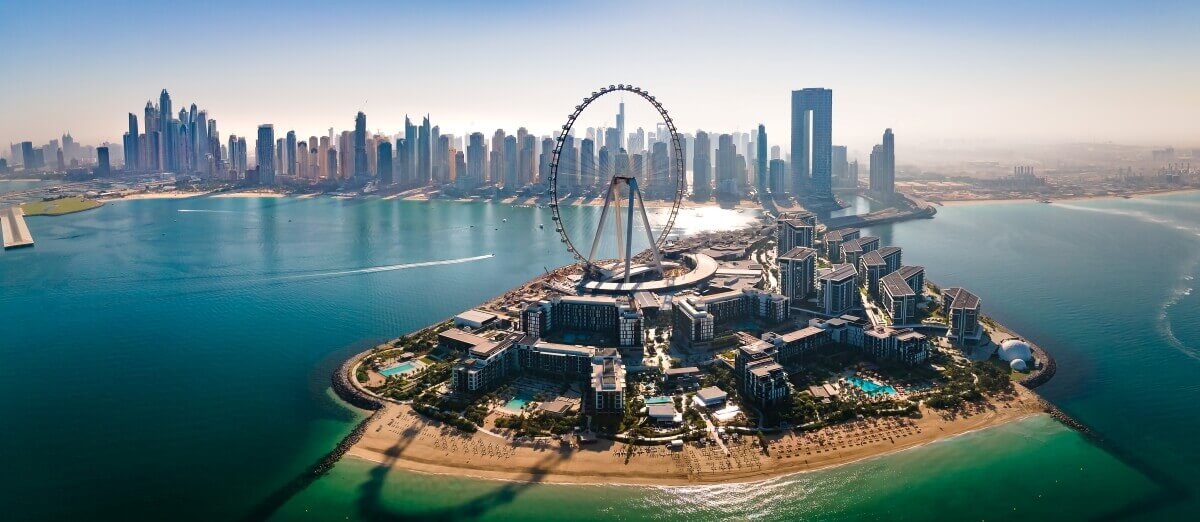
United Arab Emirates
The only Middle Eastern country in the top 20 is the United Arab Emirates, coming in at #4, though Kuwait is just outside at #22. Still, the average download speed in the UAE is 235 Mbps, considerably faster than Kuwait’s average at 154 Mbps.
China and Thailand are next, as China scores an average internet speed of 230 Mbps and Thailand comes in at 218 Mbps. China’s achievement is impressive given the vast areas that the nation encompasses. However, it is important to note that a country’s average internet speed does not mean that every person in a nation has access to the internet.
For example, in China, the internet penetration rate is about 77% (4). So, in urban areas such as Beijing, almost all residents may have internet access available, while in some rural and isolated areas, no one has internet access. But overall, the fast speeds and decent market penetration are a sign of what we know already about China—this giant nation does business around the world and has the digital infrastructure to support it.
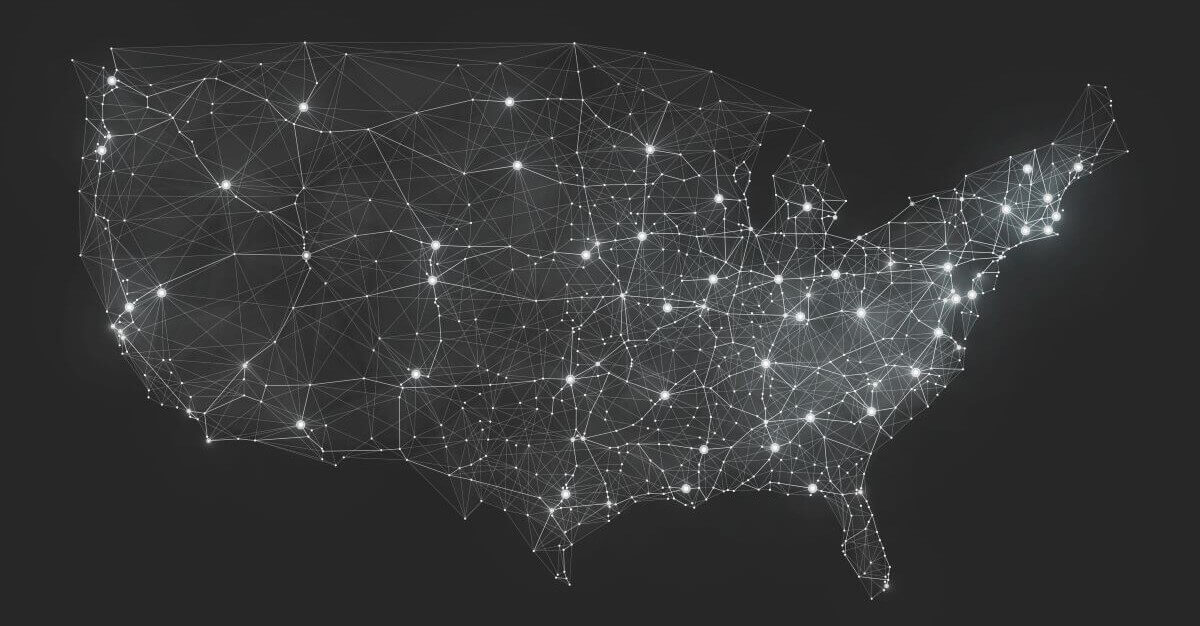
USA
At #7, we’ll see another familiar superpower: the United States of America. With an average internet speed of 215 Mbps, the USA is known for one of the world’s leading economies.
The top five major cities with the fastest download speeds in the USA (according to Ookla SpeedTest for 3Q 2023) are Raleigh, NC, Irvine, CA, North Las Vegas, NV, Corpus Christi, TX, and Henderson, NV.
If you wonder why the average speed in the USA is lower than that of China, the main reason is the difference between a planned Chinese economy controlled by the government and an American economy controlled by private industry. In China, the government owns and installs all internet infrastructure, which makes for a more orderly and unified system.
In the USA, development happens as a partnership between private companies and the government, which often offers support funding. Because private companies make their decisions based on future profit, infrastructure development is more haphazard, and different technologies dominate different areas. Still, an average above 200 Mbps is very respectable given the size and area of the United States.
Rounding out the top 10 and dominating all the way through #15 are eight countries from Europe. Denmark, Iceland, and France take top average speeds with 206, 204, and 200 Mbps, respectively. Then come Romania, Spain, Monaco, Switzerland, and the Netherlands, with average download speeds ranging from 190 to 171 Mbps.
Japan, Canada, New Zealand, Macau, and Taiwan also squeak into the top 20 countries with speeds above 157 Mbps. What do all the top 20 nations have in common? All are known for reasonably strong economies and fairly peaceful political climates. That peace and a focus on industry and technology has allowed them to lay the groundwork for future success by building internet infrastructure.
For leading digital nations, internet connectivity has become essential infrastructure powering economic growth and improvements in healthcare, education, energy efficiency and more. With widespread access to broadband, these countries race ahead in developing emerging technologies like autonomous vehicles, AI, smart cities and digital manufacturing. Ultra-fast speeds fuel innovation and drive prosperity.
The world’s poorest regions remain far removed from broadband’s benefits. Africa and the Middle East, in particular, include many nations with very poor connectivity and internet penetration.
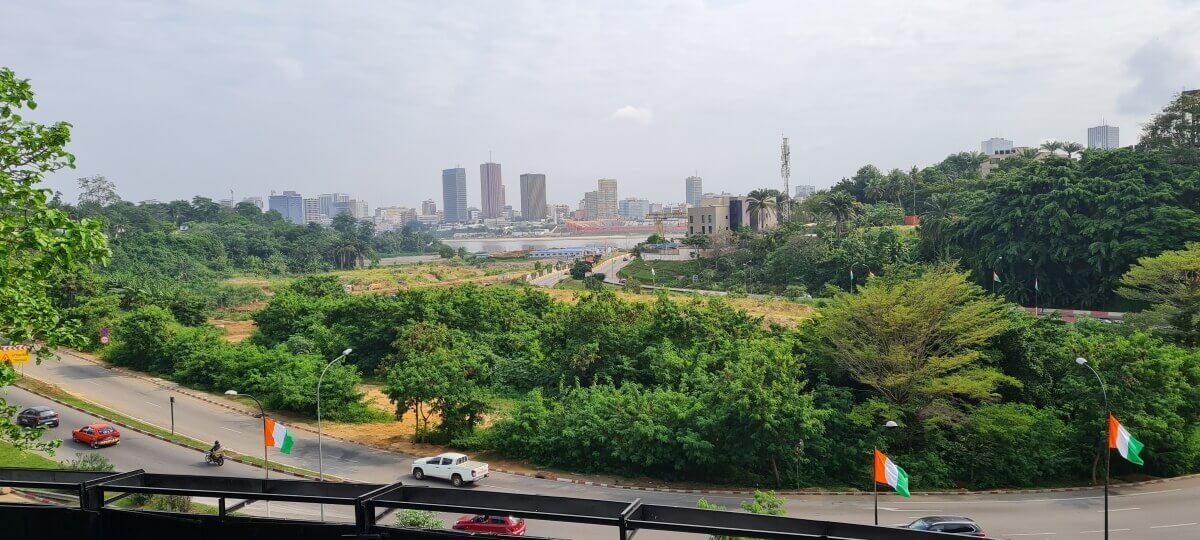
Cote d’Ivoire
The highest-ranked African country on the list is Cote d’Ivoire (Ivory Coast), coming in at #85 with an average download speed of 60 Mbps. 60 Mbps is not a bad average speed, however. A speed of 60 Mbps in Cote d’Ivoire is completely adequate to do many kinds of business online.
Cote d’Ivoire is much more digitally advanced than some of its immediate neighbors in West Africa, where average speeds are often closer to 6 Mbps. A reader familiar with internet speeds can immediately see the problem here. A speed 10 times slower, at 6 Mbps in The Gambia, often will not allow internet users to do meaningful work or video conferencing online.
Keep in mind that an average speed of 6 Mbps means that a large number of the country’s fixed internet users may have an internet connection below that speed. Internet speeds below 2 or 3 Mbps download will represent a barrier to opportunity.
So why is Cote d’Ivoire in so much better shape than some of its immediate neighbors? A country’s digital progress depends on its type of government and level of conflict. Many of the countries in West Africa suffer from constant violence, murder, and regime change. Those nations that have descended into political chaos and violence do not have the resources or unity to spend time focusing on economic development or infrastructure building.
Sadly, much of the conflict in these areas occurs between people with different religions (5). Cote d’Ivoire does have rival religions, but there is enough democracy and order left in the nation that it has been able to pursue digital progress, similar to other African nations such as Nigeria and Senegal.
It’s not a surprise, then, that many of the countries in the bottom 20 for average internet speeds are nations torn by constant religious conflict. Africa and the Middle East dominate the list for countries with the slowest internet speeds.
The slowest speeds come from countries whose names are familiar for war and upheaval: Sudan, Lebanon, Liberia, Yemen, Burundi, Syria, Afghanistan.
And as an unfortunate footnote, we can see that war and conflict cause poverty and economic stagnation that lasts for years. Liberia’s devastating civil war ended twenty years ago, but the country still has not been able to rise out of poverty and a primarily agricultural economy (6).
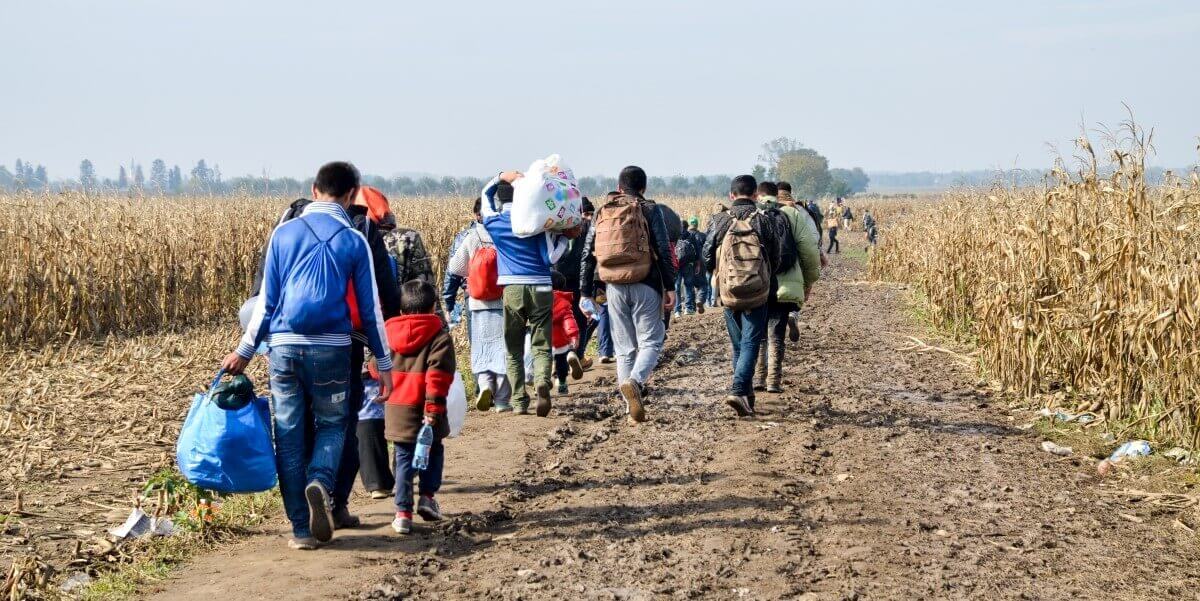
War causes poverty
At the bottom of the list, what is the country with the world’s very slowest internet speeds? Cuba, in North America. Censorship by the government prevents Cubans from gaining widespread internet access. Internet use also costs money by the hour, and the cost discourages use.
Transferring digital content is so difficult that many people get their digital news and entertainment through a system called “El Paquete.” Through this system, a portable hard drive is delivered to a town. Residents of the town who want news or entertainment go pay for the content they want to be downloaded from that hard drive on a USB for their home viewing (7). El Paquete is like a fusion of the Pony Express with the computer age.
Unfortunately, the people of Cuba pay the price for the government’s insistence on control over progress. It will not be possible for Cuba to prosper while the government refuses to fully enter the digital age.
Even in wealthy, democratic nations, serious gaps persist between access for urban users and rural users. In the United States, about 1 in 5 households do not have a home internet connection (8). Though some of these households access the internet through cell phones, mobile internet cannot allow full access to education or job opportunities.
Faulty maps from internet service providers overstate coverage (9) while lack of competition keeps speeds low, shutting rural small businesses and schools out of the modern economy. These problems in broadband access threaten to reinforce social inequalities.

Rural areas lack access
Around the world, the digital divide can show in regional divides within countries or in massive intercontinental gaps, such as Africa’s low internet speeds.
The global digital divide continues because of some problems that are very hard to address, such as poverty, religious conflict, and war. In less severe cases, the digital divide stems from lack of infrastructure investment, insufficient competition, and regulatory failures.
According to the Brookings Institute, internet penetration is 89% in Europe, over 80% in the Americas, and 70% in the Arab states, compared to 61% in Asia and 40% in Africa. So even the high speeds of some Arab states and Asian countries can mask a lack of internet access in some parts of those regions. In 2021, there were double the number of internet users in urban areas as in rural areas, worldwide (10).
This deep disparity will put the 2.7 billion without connectivity at risk for increasing poverty and lack of education.

To close the gaps in internet access that persist everywhere, governments must recognize internet access as essential infrastructure.
All countries should be working to provide affordable, reliable high-speed broadband to their most disadvantaged communities. New technologies such as 5G and LEO satellite can help spread internet access to hard-to-reach areas.
Communities worldwide are speaking out and demanding internet access to unlock new economic possibilities. From indigenous populations in rural Canada to villages across India, people understand that connectivity is the foundation for opportunity in the 21st century (11, 12). Internet access offers a lifeline to join the global community.
Without internet access, communities cannot benefit from telemedicine, remote work and distance learning. The digital divide compounds inequalities. People without broadband fall even further behind and cannot function effectively in our increasingly digital society.
Delivering universal broadband represents a key test of global cooperation and leadership.
With determined effort from governments, companies and citizens worldwide, the dream of an inclusive digital age can become reality. But communities around the globe must begin by recognizing high-speed internet as a basic human right in today’s world.
(1) TS2 Space. “Why Is Singapore Internet So Fast?"
(2) Wikipedia.org. “Internet in Chile."
(3) Wikipedia.org. “Economy of Chile."
(4) Statista.com. “Internet Users in China."
(5) JustSecurity.org. “West Africa’s Grim Trajectory."
(6) NewsUN.org. “What Next for Liberia?"
(7) Wikipedia.org. “Internet Censorship in Cuba."
(8) NTIA.gov. “Why Are One in Five U.S. Households Not Online?"
(9) Bloomberg.com. “FCC Is Investigating Broadband Providers."
(10) Brookings.edu. “Fixing the Global Digital Divide."
(11) NationalPost.com. “Left Behind: Internet Access in Rural Canada."
(12) BusinessStandard.com. “Internet Usage Grows Faster in Rural India."
| Rank | Country | Median Download Speed | Continent/Region |
| 1 | Singapore | 264 | Asia |
| 2 | Hong Kong (China) | 263 | Asia |
| 3 | Chile | 248 | South America |
| 4 | United Arab Emirates | 235 | Middle East |
| 5 | China | 230 | Asia |
| 6 | Thailand | 218 | Asia |
| 7 | United States | 215 | North America |
| 8 | Denmark | 206 | Europe |
| 9 | Iceland | 204 | Europe |
| 10 | France | 200 | Europe |
| 11 | Romania | 191 | Europe |
| 12 | Spain | 189 | Europe |
| 13 | Monaco | 187 | Europe |
| 14 | Switzerland | 187 | Europe |
| 15 | Netherlands | 177 | Europe |
| 16 | Japan | 170 | Asia |
| 17 | Canada | 165 | North America |
| 18 | New Zealand | 163 | Australia (Oceania) |
| 19 | Macau (China) | 160 | Asia |
| 20 | Taiwan | 157 | Asia |
| 21 | Andorra | 157 | Europe |
| 22 | Kuwait | 154 | Middle East |
| 23 | Liechtenstein | 152 | Europe |
| 24 | Portugal | 150 | Europe |
| 25 | Hungary | 149 | Europe |
| 26 | Panama | 148 | Central America |
| 27 | Israel | 144 | Asia |
| 28 | Uruguay | 143 | South America |
| 29 | South Korea | 139 | Asia |
| 30 | Brazil | 136 | South America |
| 44 | Saudi Arabia | 102 | Middle East |
| 50 | Philippines | 91 | Asia |
| 56 | United Kingdom | 84 | Europe |
| 59 | Russia | 81 | Asia/Europe |
| 77 | Mexico | 63 | North America |
| 83 | Egypt | 61 | Middle East |
| 85 | Ivory Coast (Cote d’Ivoire) | 60 | Africa |
| 89 | India | 55 | Asia/India |
| 92 | Australia | 54 | Australia (Oceania) |
| 103 | Burkina Faso | 43 | Africa |
| 105 | Congo | 41 | Africa |
| 106 | South Africa | 41 | Africa |
| 111 | Gabon | 37 | Africa |
| 113 | Ghana | 37 | Africa |
| 124 | Indonesia | 28 | Asia |
| 153 | Iran | 13 | Middle East |
| 154 | Mozambique | 12 | Africa |
| 155 | Uganda | 12 | Africa |
| 156 | Somalia | 12 | Africa |
| 157 | Bhutan | 12 | Asia |
| 158 | Algeria | 11 | Middle East |
| 159 | Suriname | 11 | South America |
| 160 | Papua New Guinea | 11 | Australia (Oceania) |
| 161 | Vanuatu | 11 | Oceania |
| 162 | Cameroon | 10 | Africa |
| 163 | Swaziland | 10 | Africa |
| 164 | Zimbabwe | 10 | Africa |
| 165 | Kenya | 9 | Africa |
| 166 | Guinea | 9 | Africa |
| 167 | Libya | 8 | Africa |
| 168 | Tunisia | 8 | Africa |
| 169 | Turkmenistan | 8 | Asia |
| 170 | Sudan | 8 | Middle East |
| 171 | Lebanon | 8 | Middle East |
| 172 | Botswana | 7 | Africa |
| 173 | Liberia | 7 | Africa |
| 174 | Ethiopia | 7 | Africa |
| 175 | The Gambia | 6 | Africa |
| 176 | East Timor | 6 | Asia |
| 177 | Yemen | 6 | Middle East |
| 178 | Burundi | 5 | Africa |
| 179 | Niger | 5 | Africa |
| 180 | Syria | 4 | Middle East |
| 181 | Afghanistan | 3 | Middle East |
| 182 | Cuba | 2 | North America |
Do you want to leave a review for AT&T Internet?
About the author

Infinity Sales Group, LLC